
As federal agents carried out sweeping raids across Minnesota this week, a broader and more troubling picture is coming into focus—one that stretches far beyond a single investigation or a single state.
What investigators are uncovering is not isolated abuse. It is systemic. And it is costing American taxpayers many billions.
Minnesota Raids: A Fraud Network Under Investigation
Federal authorities executed more than 20 search warrants across Minnesota, targeting businesses tied to misuse of public funds, including daycare centers and autism service providers. Officials say the investigation is part of a much larger probe into fraud across multiple taxpayer-funded programs.
The scale is staggering. Prosecutors have suggested that as much as $9 billion may be tied to fraudulent activity in Minnesota programs alone. The investigation spans at least 14 different state and federal benefit programs.
Earlier cases tied to similar schemes have already led to dozens of convictions, including major pandemic-era fraud operations.
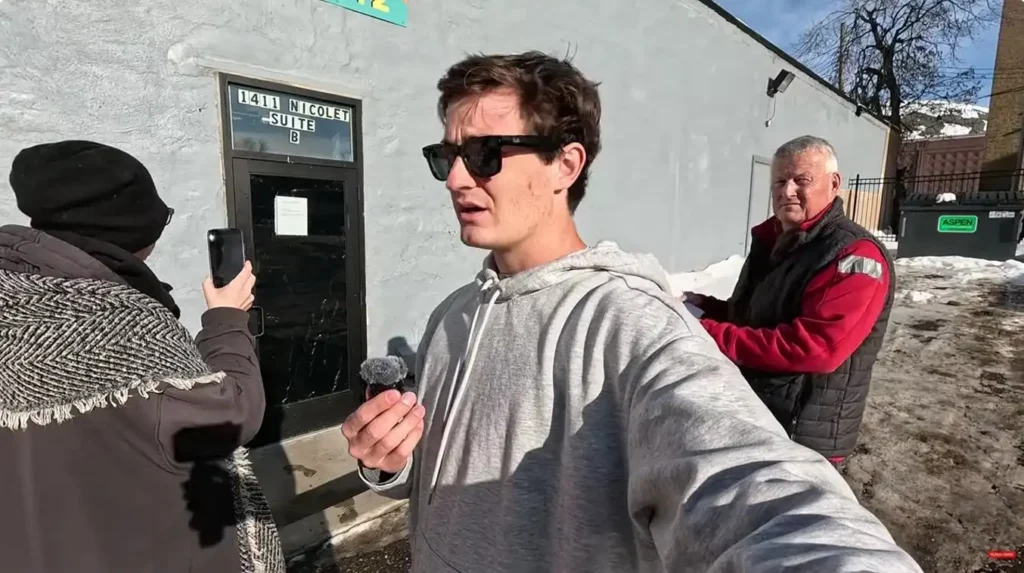
In one of the most widely cited scandals, the so-called “Feeding Our Future” case alone involved hundreds of millions of dollars in fraudulent claims tied to food programs intended for children. More recent investigations have expanded beyond food programs into childcare subsidies, autism treatment billing, housing stabilization services, and Medicaid-funded care programs.
And the numbers continue to climb. Authorities are now examining what some investigators have described as “industrial-scale” fraud, involving coordinated networks, shell businesses, and false billing for services that were never provided.
How the Schemes Worked
Across multiple cases, a pattern has emerged. Businesses were created or repurposed to bill government programs. Claims were submitted for services that were exaggerated, or entirely fictitious. In many cases, facilities billed for more clients than they were licensed to serve.
Money flowed quickly, often before verification systems could catch up. Democratic leaders, from the governor to the office drones, turned a purposefully blind eye to the fraud, taking their share in campaign donations.
In certain cases, authorities have alleged that entire childcare centers operated with little or no actual activity, while Medicaid programs were billed for thousands of services that never occurred. Funds were then redirected for personal use, or moved through complex financial laundering channels.
The result was not just waste, but ‘organized’ exploitation of public systems.
California: A Different Program, the Same M.O.
The issue is not confined to Minnesota. Across the country, similar patterns are emerging in other government-funded systems.
In California, authorities recently charged 21 individuals in a $267 million hospice fraud scheme, alleging that operators enrolled healthy individuals into end-of-life care programs without their knowledge and billed the government for services that were never needed.
The alleged scheme included identity theft, fraudulent enrollment in Medi-Cal, billing for non-existent hospice care, and networks of shell companies used to process claims.
In the wake of Trump Administration crack-downs on Dem fraud, state officials have moved to shut down or revoke licenses for hundreds of suspicious hospice providers, particularly in regions where the number of providers far exceed demand.
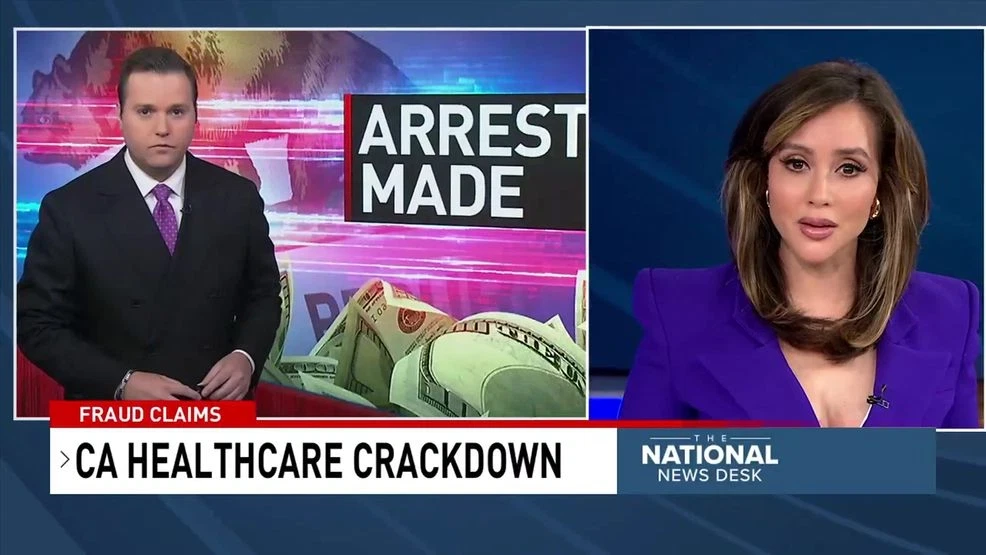
Despite recently launched enforcement efforts, authorities acknowledge that fraud in healthcare programs remains so widespread, it will be difficult to fully eliminate.
A Nationwide Pattern
What connects these cases is not geography—it is structure. Government programs that distribute large amounts of money rely on self-reported billing, and operate with delayed verification systems are inherently vulnerable. And when oversight lags behind funding, bad actors move quickly.
National estimates suggest that fraud across government healthcare and pandemic-related programs has reached into the hundreds of billions of dollars, with tens of billions lost annually across Medicaid, Medicare, and related systems.
Minnesota and California are not exceptions. They are examples.
The Question Moving Forward
The raids in Minnesota are ongoing. The investigations in California continue. More charges are expected in both regions.
But the deeper question is no longer whether fraud exists. It is how long it has been allowed to scale—and how many other programs remain vulnerable.
Because what investigators are now uncovering is not just isolated wrongdoing, it is a system that, in many cases, appears to have been tested, exploited, and expanded over time. Until those structural vulnerabilities are addressed, the risk remains the same: The next case may already be underway.
Leave a Reply