For decades, American families were told they had no real say in their children’s education. They were told to just leave everything to the ‘experts.’
You went to the school assigned to you. You accepted whatever curriculum was offered. You trusted a system that, in many parts of the country, has produced steeply declining performance, frustrated parents, and myriad students left behind.
That model is now being challenged—and the reaction from the education establishment has been swift, loud, and deeply revealing.
Because in states like Arizona, the rules have changed.
A System Finally Forced to Compete
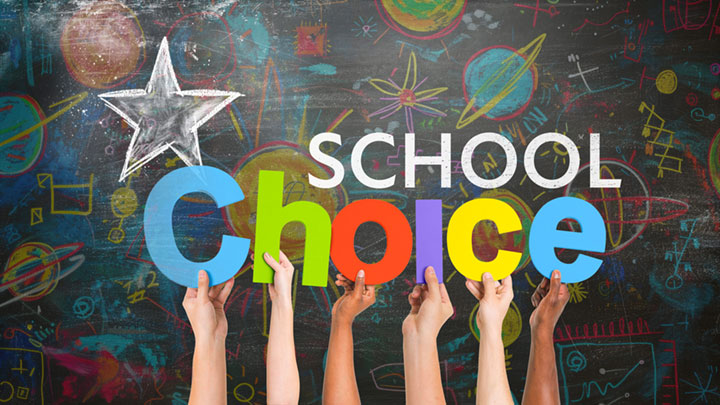
Arizona, for example, has emerged as a national leader in school choice, implementing programs that allow education funding to follow the student instead of being locked into a specific school or district.
Families now have real options:
- Public schools
- Charter schools
- Private institutions
- Homeschooling programs
Each child carries with them a portion of education funding, and that money goes wherever the family decides. That simple shift has introduced something that has long been absent in public education: Competition and Accountability.
Public schools are no longer guaranteed funding simply because they exist. They have to earn it. They have to compete for available dollars. They have to do do better than the competition to receive the funding.
And that changes everything.
Why Parents Are Embracing It
The appeal of school choice is not theoretical. It is practical, immediate, and deeply personal.
Parents are choosing schools based on:
- Academic performance
- Safety
- Discipline
- Values
- Individual student needs
For families who have felt trapped in underperforming districts, the ability to leave is more than a policy change—it is a lifeline. And once families experience that freedom, they rarely want to go back.
The Resistance: A System That Doesn’t Want to Change
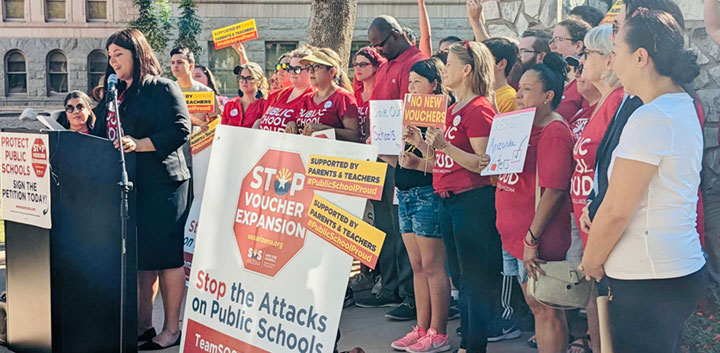
Despite growing support, school choice faces fierce opposition from entrenched interests that have long shaped American education. Critics of CHOICE argue that these programs threaten public schools, divert funding, and create uneven outcomes.
But behind those arguments is a deeper reality: School choice disrupts a system that has operated for decades with limited competition and guaranteed funding.

When funding follows students, institutions that once operated without pressure or accountability are suddenly forced to respond—to parents, to outcomes, and to alternatives.
That is not a small shift. It is a fundamental one.
The Performance Problem No One Can Ignore
Across the country, there are school systems, particularly in large urban areas, that have struggled for years with:
- Low proficiency rates
- Graduation gaps
- Safety concerns
- Declining public confidence
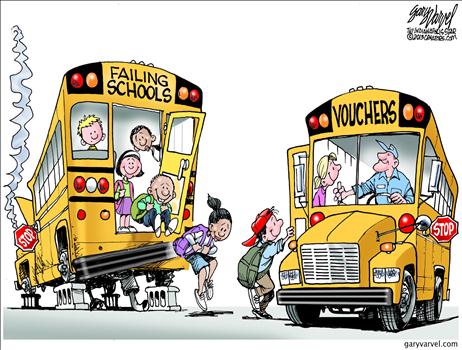
These issues did not appear overnight, and they have not been resolved by maintaining the status quo. They developed over decades as teachers’ unions fought for more money for less work, and the right essentially replace students’ parents in matters of values. They have foisted woke, Marxist, and anti-religious curricula on students, and parents who showed up at the principal’s office or school board meetings were often placed on FBI terror watch lists.
School choice does not claim to solve every problem. But it does introduce a mechanism that public systems have lacked: The ability for families to leave.
And when families can leave, systems must adapt, or risk losing relevance, and funding.
The Accountability Divide
One of the sharpest lines in the debate is over accountability. Supporters of school choice argue that:
- Parents are the ultimate accountability mechanism
- Schools that fail to meet expectations lose students
Critics counter that:
- Public funds require consistent oversight
- Not all alternatives are held to the same standards
Both arguments carry weight. But the current system raises its own question: What accountability exists when families have no realistic alternative?
A Shift in Power
At its core, school choice is about more than education policy. It is about power. For generations, decisions about education have largely been made at the institutional level, by districts, boards, and administrators.
School choice shifts that power outward to families. And that redistribution is at the heart of the conflict. Because when parents gain control over where funding goes, long-standing structures are forced to compete, adapt, and justify their performance in ways they never had to before. Public schools struggle fiercely to remain relevant in the face of competition. The socialist malaise of the public education system has rendered public schools and teachers undesirable, and in many case, abhorrent.
The Stakes Going Forward
The expansion of school choice is not slowing down. More states are exploring similar models, and more families are demanding options. The topic has become political in that democrats fight against choice, be the power that is being redirected to parents is essentially that curated by the Left over the decades.
Now, the debate is no longer about whether school choice exists. It does. And it is thriving, as are the students who are attending the best schools at no cost to them.
It is really about how far it will go, and how the existing system will respond. So, will public schools evolve and compete? Will policymakers refine these programs to address legitimate concerns?
Or will the divide deepen as quality of choice spreads, and the stagnant decline of public schools digs in?
The Bottom Line
School choice is not a fringe idea anymore. It is a centrist, growing movement that is forcing a national conversation about how education works, and who it is meant to serve. Families, or teachers’ unions?
For supporters, it represents long-overdue accountability and freedom. For critics, it raises serious concerns about equity, funding, and oversight.
But one thing is certain: The days of a one-size-fits-all education system are coming to an end.
And the fight over what replaces it is only just beginning.
Leave a Reply