• Home
  • Mission
  • Federalist Papers
  • Foundation
  • U.S. Constitution
  • Bill of Rights

Federalist Press | Defending Liberty — Informing America

Breaking News and Political Commentary

  • All Stories
  • Economy
  • Elections
  • Entitlement
  • Ethics
  • Foreign
  • Gender
  • Religion
  • Sci-Tech

JONATHAN TURLEY: Biden DOJ behind even the Times in pursuing alleged Hunter corruption

April 6, 2025 By Editor Leave a Comment

Biden DOJ was full of Sgt. Schultzes when it came to obvious corruption

By Jonathan Turley

For years, some of us have written about the Biden family’s multimillion-dollar influence-peddling operation and the Justice Department’s refusal to charge Hunter Biden with being an unregistered foreign agent. Now, years later, The New York Times has found evidence suggesting that the former president’s son was acting as a foreign agent as early as the Obama administration, when his father was vice president.

Last August, the New York Times ran a story about Hunter Biden seeking help from the government for his client, the Ukrainian energy company Burisma. A recent follow-up story had damaging new details:

Hunter Biden sought assistance from the U.S. government for a potentially lucrative energy project in Italy while his father was vice president, according to newly released records and interviews.

The records, which the Biden administration had withheld for years, indicate that Hunter Biden wrote at least one letter to the U.S. ambassador to Italy in 2016 seeking assistance for the Ukrainian gas company Burisma, where he was a board member…

The State Department did not release the actual text of the letter.

That is precisely what many of us have been writing about in asking why Hunter Biden was not charged with being an unregistered foreign agent, as Paul Manafort, Bob Menendez and others were under similar circumstances.

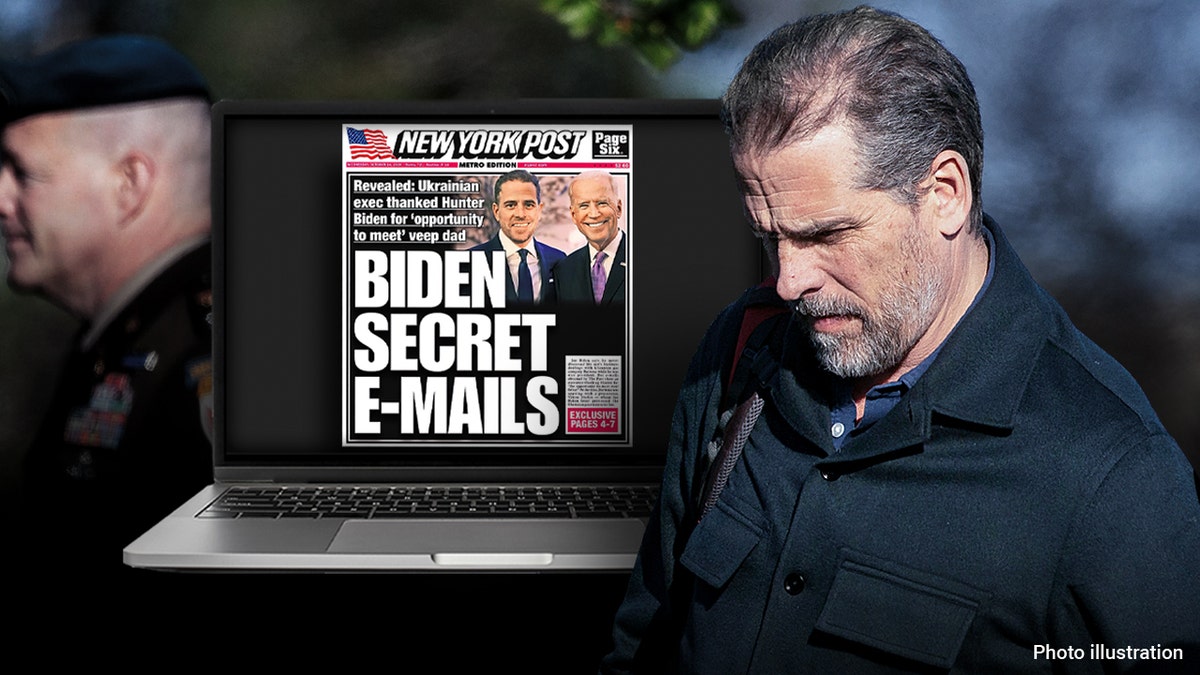
Hunter Biden NY Post laptop illustration

(Hunter Biden’s scandalous laptop was falsely dismissed as Russian disinformation.)

The Foreign Agents Registration Act (FARA) covers anyone acting as “agent of a foreign principal,” including but not limited to (1) attempting to influence federal officials or the public on domestic or foreign policy or the political or public interests in favor of a foreign country; (2) collecting or disbursing money and or other things of value within the United States; or (3) representing the interests of the foreign principal before U.S. Government officials or agencies.

It is sweeping. So is the definition of what a “foreign principal” encompasses, including “a foreign government, a foreign political party, any person outside the United States (except U.S. citizens who are domiciled within the United States), and any entity organized under the laws of a foreign country or having its principal place of business in a foreign country.”

As I previously wrote, Special Counsel Robert Mueller seemed to charge by the gross under the act. He hit a line of Trump associates with such allegations from Manafort to Michael Flynn to George Papadopoulos to Rick Gates. The Justice Department used FARA to conduct searches on the homes and files of former Trump counsel Rudy Giuliani, Republican attorney Victoria Toensing and others.

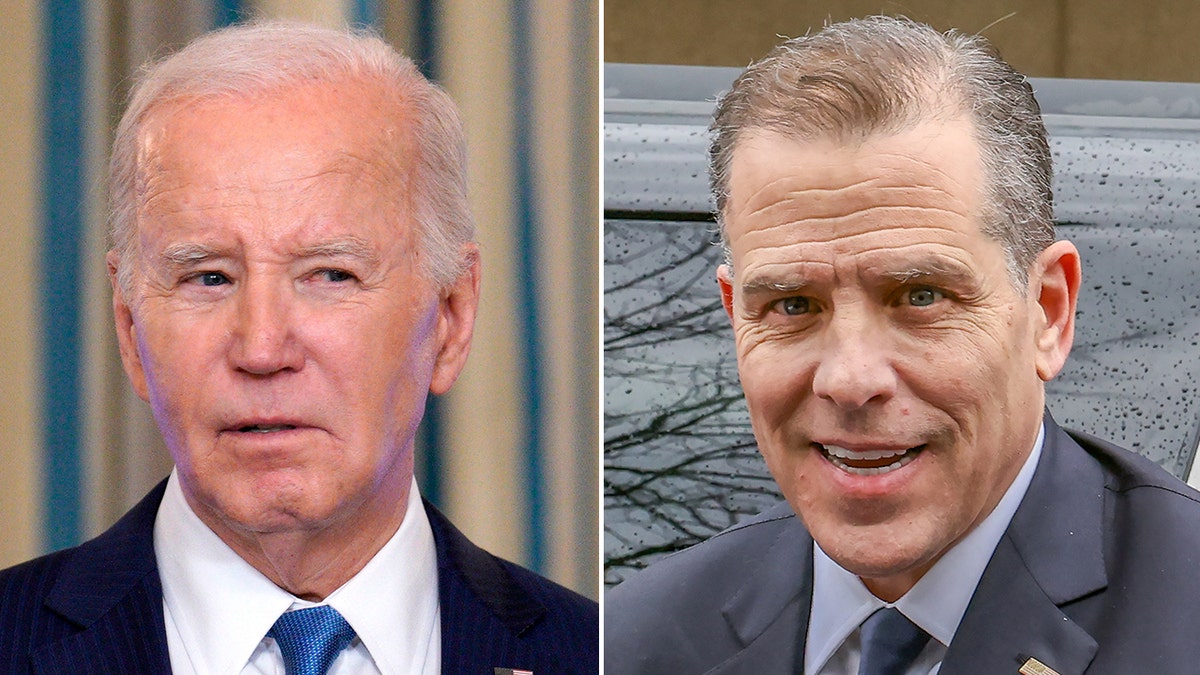
Joe Biden, Hunter Biden

President Joe Biden and his son, Hunter. (Getty Images)

However, the Justice Department and Special Counsel David Weiss seemed to tie themselves into knots to avoid tripping the wire on FARA even as it discussed Hunter Biden’s work for foreign clients.

The government also resisted FOIA requests from the Times and other media. More from the above article:

The request was initially filed under the Freedom of Information Act, or FOIA, in June 2021. After nearly eight months, the State Department had not released any records, and The Times sued. About 18 months later, the department moved to close the case after releasing thousands of pages of records — none of which shed light on Hunter Biden’s outreach to the U.S. government.

The Times challenged the thoroughness of the search, noting that the department had failed to produce responsive records contained in a cache of files connected to a laptop that Mr. Biden had abandoned at a Delaware repair shop. The department resumed the search and periodic productions, but had produced few documents related to Mr. Biden until the week after his father ended his re-election campaign and endorsed Vice President Harris for the Democratic nomination.

Now we have a copy of a key letter from Hunter Biden that gives us an insight into the evidence buried for years:

The State Department last week released a letter he wrote while his father was serving as vice president in which he sought assistance from the U.S. government for the Ukrainian energy company Burisma.

In the previously unpublished June 2016 letter on Burisma letterhead to the U.S. ambassador to Italy, Mr. Biden requested “support and guidance” in arranging a meeting with an Italian official to resolve regulatory hurdles to geothermal energy projects Burisma was pursuing in the Tuscany region…

The letter requested help arranging a meeting between Burisma officials and Enrico Rossi, the president of the Tuscany regional government at the time, “to introduce geothermal projects led by Burisma Group, to highlight their social and economic benefits for local communities and develop a common action plan that would lead to further development of the Tuscany Region.”

How could any Justice Department official, let alone a special counsel, read that letter and not see the glaring disconnect between the handling of the case involving Joe Biden’s son and others like Manafort?

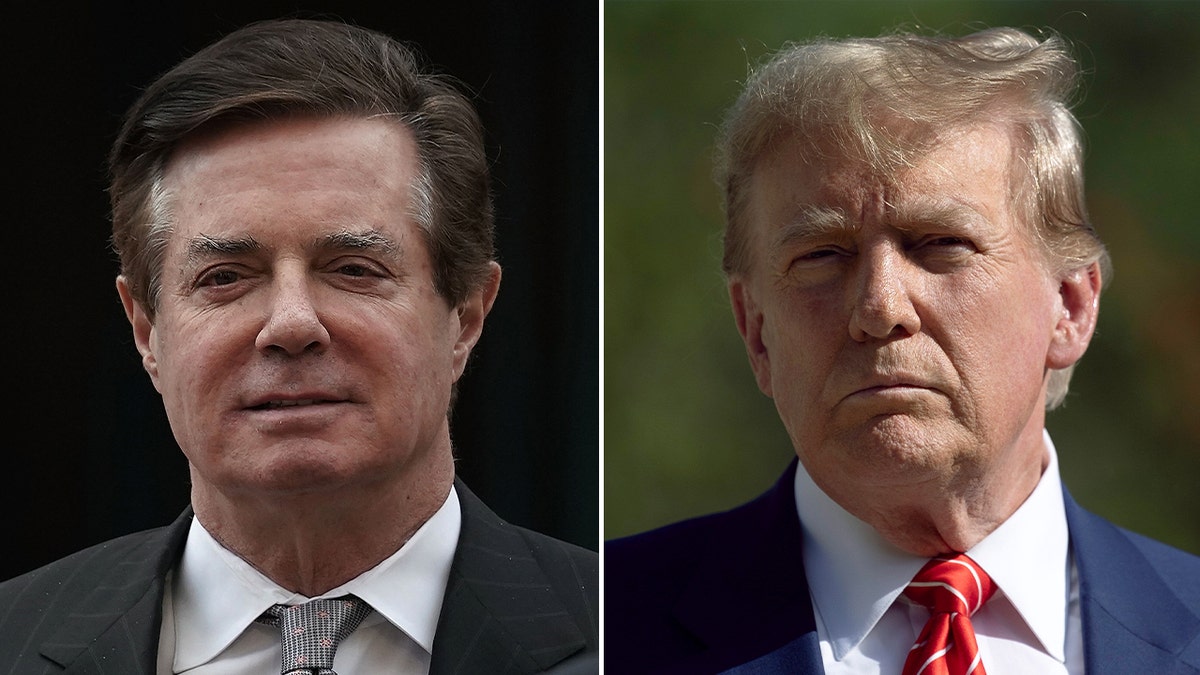
Paul Manafort, Donald Trump

Former Trump campaign chairman Paul Manafort and Former President Donald Trump. (Getty Images)

The letter references a trip on which Hunter Biden, as was his pattern, used official travel with his father to make these business connections. The letter mentions meeting a key ambassador on Air Force Two as he seeks assistance for his client.

The ambassador then sent a follow-up letter saying he knew the president of Tuscany and identified a Commerce Department official working at the U.S. embassy who could help “see where our interests may overlap.”

It was another example of alleged influence peddling through his father and work for a foreign client in lobbying the government.

During this period, the Justice Department seemed to be on a hair-trigger for FARA charges. Yet, when it came to Hunter Biden, the entire department seemed composed of legal Sgt. Schultzes.

Many in the media attacked those of us who have been writing about this corruption stretching back to the Obama administration. Many simply insisted that there was no evidence, while taking no steps to find out. While the media was unrelenting in investigating Trump allegations of Russian collusion and business improprieties, it took a largely passive stance in pursuing this story.

Even The New York Times, which can be credited with pursuing this FOIA information, did comparably little with the ample evidence of corruption by the Bidens in securing millions through influence peddling.

What remains is a corruption scandal involving not only what the Bidens did but also what the Justice Department did not do over this extended period. It appears to heed the advice not of whistleblowers but politicians like former Sen. Claire McCaskill (D-Mo.) that “everybody needs to back off” the influence-peddling story.

Of course, Joe Biden ultimately broke his repeated promise not to pardon his son. What was most notable, however, was that not only did he pardon him for any crimes from human trafficking to tax evasion but also for a period running from Jan. 1, 2014 to Dec. 1, 2024.

This letter explains why such a sweeping, extended pardon was needed. Yet, in the end, the greatest indictment from this scandal was of the Justice Department itself.


Jonathan Turley is a Fox News Media contributor and the Shapiro Professor of Public Interest Law at George Washington University. He is the author of “The Indispensable Right: Free Speech in an Age of Rage” (Simon & Schuster, June 18, 2024).

Filed Under: Bias, Crime, Elections, Ethics, Foreign

Seniors Beware: Misleading Ads Promise Free Money That Doesn’t Exist

March 28, 2025 By Editor Leave a Comment

March 28, 2025 — Washington, D.C.
By: James Thompson

If you’ve been watching TV or scrolling through your favorite apps lately, you may have come across commercials targeting seniors over 65, promising a prepaid debit card loaded with thousands of dollars — sometimes as much as $3,200 — to spend however they wish. These ads often claim that the money comes from a “Senior Wellness Program” or other government initiatives. However, experts are warning that these advertisements can be highly misleading, and in some cases, downright deceptive.

For seniors trying to make the most of their retirement income, these promises of “free money” may seem too good to pass up. Unfortunately, they often are.

What Are These Ads Really Promoting?

Most of these commercials are actually promoting Medicare Advantage (Part C) plans — private insurance plans that provide Medicare benefits, often with additional perks. While Medicare Advantage plans sometimes offer flex cards or over-the-counter (OTC) allowances, the amounts provided are far from the thousands of dollars these ads claim.

“Many of these ads exploit seniors’ trust by suggesting they can receive large sums of cash to spend freely,” explains Dr. Mark Harris, a Medicare policy expert. “But in reality, the benefits offered are limited and highly regulated, often covering only specific health-related expenses like dental, vision, and medical supplies.”

Typical scam ad appearing during commercial interruption on phone app.

In most legitimate cases:

  • Flex cards or OTC allowances may provide $50 to $200 per quarter for qualified purchases, not thousands of dollars.
  • Benefits are restricted to certain expenses, such as prescription medications, transportation to medical appointments, or healthy food programs.
  • The higher dollar amounts touted in these ads are exaggerated and misleading.

The Danger of Misleading Ads

While some of these advertisements promote legitimate Medicare Advantage plans, others are designed to harvest personal information from unsuspecting seniors. In the worst cases, these misleading promotions can result in:

  • Unauthorized Enrollment: Seniors may be enrolled in plans that don’t fit their healthcare needs or result in losing their existing coverage.
  • Scams and Identity Theft: Fraudulent companies may use these ads to collect sensitive information like Medicare numbers and Social Security details, putting seniors at risk for identity theft.
  • Bait-and-Switch Tactics: Some ads promise extensive benefits but fail to disclose the limited scope of the plans they promote, leading seniors to sign up for coverage that is less comprehensive than their current plan.

Understanding Legitimate Medicare Benefits

While it’s true that some Medicare Advantage plans offer flex cards or wellness benefits, these programs are far more limited than advertised. Here’s what seniors need to know:

Medicare Advantage Flex Cards:

  • A few Medicare Advantage plans offer prepaid debit cards to cover health-related costs, but these cards are not loaded with thousands of dollars.
  • They are usually limited to a few hundred dollars per year, only usable for specific healthcare-related expenses.

OTC Benefits and Grocery Allowances:

  • Some plans offer a small quarterly allowance for over-the-counter medications, healthy groceries, or transportation.
  • These allowances typically range from $50 to $200 per quarter.

Extra Help (Low-Income Subsidy Program):

  • Seniors with limited income and resources may qualify for the Extra Help program to lower prescription drug costs.
  • However, this program provides assistance, not direct cash.

How to Protect Yourself from Scams

1. Verify Through Official Sources
If you see an ad offering large amounts of money through Medicare-related programs, be cautious. Always verify the information through Medicare.gov or call 1-800-MEDICARE to confirm the legitimacy of the offer.

2. Do Not Share Personal Information Over the Phone
Scammers may ask for personal information like your Medicare number or Social Security details. Never provide this information to unsolicited callers or unverified websites.

3. Consult with Your State Health Insurance Assistance Program (SHIP)
SHIP offers free, unbiased counseling for Medicare beneficiaries and can help you navigate your options. They can confirm whether a plan is legitimate and meets your healthcare needs.

4. Avoid High-Pressure Sales Tactics
Be wary of aggressive marketing tactics that pressure you to sign up immediately. Legitimate plans will give you time to review the details and make an informed decision.

Red Flags to Watch For:

Promises of Large Cash Payouts — No legitimate Medicare plan provides unrestricted money to spend as you wish.
Unsolicited Phone Calls or Emails — Scammers often cold-call or email seniors to pressure them into sharing sensitive information.
Urgent or Limited-Time Offers — Be cautious of any offer that demands immediate action or claims to expire quickly.

While it’s natural to want to take advantage of every benefit available to you, it’s essential to stay informed and cautious. Scammers and misleading ads prey on seniors by dangling the promise of free money — but a closer look often reveals the truth. Protect yourself and your loved ones by staying vigilant and verifying any claims before taking action.

“If it sounds too good to be true, it usually is,” says Dr. Harris. “When it comes to your healthcare, always double-check before making a decision.”

Where to Get Help:

If you suspect that you’ve encountered a scam or misleading advertisement, you can report it to:

  • 1-800-MEDICARE (1-800-633-4227)
  • Federal Trade Commission (FTC): ReportFraud.ftc.gov
  • Your Local Senior Medicare Patrol (SMP): SMP programs help seniors detect and prevent fraud.

James Thompson is an author and ghostwriter, and a political analyst.

Filed Under: Crime, Ethics

New JFK Assassination Files Deepen Questions, Add Fuel to Decades-Old Conspiracy Theories

March 27, 2025 By Editor Leave a Comment

March 26, 2025 — Washington, D.C.
By: James Thompson

In a move stirring renewed debate and suspicion, the National Archives last week released a long-awaited batch of previously classified documents related to the assassination of President John F. Kennedy. While some hoped the final files would close the chapter on one of America’s most haunting mysteries, the opposite has occurred. Many of the newly declassified records appear to bolster arguments long made by conspiracy theorists — that the full truth about JFK’s death has been obscured by powerful forces within the U.S. government.

The 2025 release, part of a decades-long process mandated by the President John F. Kennedy Assassination Records Collection Act of 1992, includes more than 1,400 pages of CIA, FBI, and State Department documents. While heavily redacted files have been released in waves since the 1990s, these new records are the most complete to date, shedding light on shadowy intelligence operations, foreign entanglements, and internal government concerns — some of which suggest foreknowledge or complicity in the events surrounding November 22, 1963.


Key Revelations:

1. CIA Surveillance of Oswald Before the Assassination

One of the most explosive findings centers around the CIA’s surveillance of Lee Harvey Oswald prior to the assassination. A formerly top-secret memo reveals that the CIA had opened a 201 file on Oswald in 1960 — well before his defection to the Soviet Union and his subsequent return to the U.S. in 1962.

New details show that Oswald was under active surveillance during his visit to Mexico City in September 1963, where he attempted to obtain visas from both the Cuban and Soviet embassies. Phone intercepts and photos of Oswald — some previously withheld — now confirm that U.S. intelligence agencies had real-time information about his movements. Yet, there is no evidence they acted on these warnings.

Critics argue this undermines claims by the Warren Commission that Oswald was a “lone nut” who escaped the radar of federal agencies. Instead, the picture that emerges is of a man of interest whose activities were well known — and possibly manipulated — by intelligence officials.

2. Questions Around “The Mexico City Tapes”

The new files also provide fresh insight into the mysterious “Mexico City tapes.” For decades, controversy has swirled around audio recordings from the CIA’s wiretaps in Mexico City, where an individual claiming to be Oswald contacted the Soviet embassy. The problem? U.S. officials who listened to the tapes after the assassination said the voice did not match Oswald’s.

Previously redacted memos now confirm that CIA officers raised concerns in real-time about this discrepancy — yet the tapes were conveniently “erased” before they could be analyzed further. The documents suggest that senior officials, including then-CIA Deputy Director Richard Helms, were involved in decisions to suppress or ignore contradictory evidence.


3. Possible Cuban and Mafia Connections

The newly released records reignite long-held suspicions about the intersection of organized crime, anti-Castro Cuban exiles, and U.S. intelligence operations. A declassified memo from 1962 reveals that the CIA was actively pursuing assassination plots against Fidel Castro using Mafia intermediaries — including notorious figures like Sam Giancana and Johnny Roselli.

Another document refers to a “contingency” discussion within the CIA’s Western Hemisphere Division about how to handle “blowback” if such operations were exposed — including the possibility that rogue agents or criminal elements might redirect violence toward U.S. leaders.

One memo, previously hidden under national security exemptions, describes concerns that “individuals involved in Cuba-related operations may possess both the motive and the means” to target American officials seen as “soft on communism.” JFK’s decision to shut down certain anti-Castro missions after the Cuban Missile Crisis caused deep resentment among exiles and operatives alike.


4. Internal Doubts About the Warren Commission

Perhaps most damning are several documents revealing skepticism within the government about the Warren Commission’s lone gunman conclusion. A memo dated 1964 from FBI Assistant Director William Sullivan warned that “the public will not believe Oswald acted alone,” citing conflicting ballistic evidence and the implausibility of Oswald’s shooting accuracy.

An internal CIA communication also reveals that high-ranking agency figures were concerned that the Commission’s work would “open doors best left closed” — particularly regarding covert operations in Latin America and Oswald’s associations with intelligence-linked entities like the Fair Play for Cuba Committee.


Public Reaction and Expert Analysis

In the days since the release, historians, journalists, and citizens have pored over the documents with both fascination and fury. Jefferson Morley, a leading researcher on the CIA’s role in the JFK saga, told The Washington Independent that “this is the most significant release in decades — not because it provides a smoking gun, but because it confirms patterns of deception and obfuscation that can no longer be dismissed.”

Author and former prosecutor Vincent Bugliosi, before his death, maintained that the evidence overwhelmingly supported Oswald acting alone. But critics argue that the new files render such confidence untenable.

Social media has exploded with new theories, drawing connections between names and timelines. Grassroots efforts to build open-source databases are underway to comb through the files for undiscovered threads.


The Lingering Questions

While no single document in the 2025 release definitively proves a conspiracy, the cumulative effect of these revelations paints a picture far more complex than the official narrative of a lone gunman with a mail-order rifle. They raise the possibility — even likelihood — of a broader web of negligence, manipulation, or even cover-up.

If Oswald was being watched so closely, why was no action taken? If key tapes and memos contradicted the lone gunman theory, why were they destroyed or buried? And if government insiders harbored doubts about the official story, why were those concerns never shared with the public?


A Closing Chapter, or a New Beginning?

President Biden, in a brief statement following the release, acknowledged “the public’s right to transparency” while emphasizing “national security concerns that still persist.” Some documents remain redacted or delayed, leading to calls for full disclosure.

For now, the assassination of John F. Kennedy remains a wound in the American psyche — one layered with secrecy, shadows, and unanswered questions. With each release, the official story becomes harder to defend, and the call for a reckoning grows louder.

Whether these new files bring us closer to the truth or simply widen the space for speculation, one thing is clear: the story of JFK’s death — and the power struggles it exposed — is far from over.

By James Thompson. James Thompson is an author and ghostwriter, and a political analyst.

Filed Under: Crime

The Human Cost of the Southern Border Crisis: Trafficking, Exploitation, and the U.S. Demand

March 26, 2025 By Editor Leave a Comment

The U.S.–Mexico border continues to be a focal point in the ongoing crises of human and drug trafficking, as transnational criminal organizations exploit vulnerable populations and fuel dangerous markets within the United States. While political debates often center around national security, the most devastating costs are borne by the individuals who are trafficked—many of whom suffer unspeakable abuse both during their journey and after arriving in the United States.

A Dangerous Journey: The Human Toll of Trafficking

Every year, thousands of migrants, including women and children, are smuggled across the southern U.S. border. Many do not arrive willingly. Instead, they fall victim to sophisticated trafficking networks that promise safety and opportunity but deliver exploitation, violence, and enslavement.

Sexual exploitation is one of the most pervasive and horrifying realities for trafficked women and girls. Victims are often raped repeatedly during the journey by smugglers—known as coyotes—or sold into sex trafficking rings operating in both Mexico and the U.S. Some are forced to take contraceptives before the journey because rape is expected. Once in the U.S., many are forced into prostitution under threats to their families back home.

Children are not spared. Unaccompanied minors are particularly vulnerable to forced labor, abuse in detention centers, or being handed over to traffickers posing as relatives. Some are recruited into gangs or compelled to work under exploitative conditions in agriculture, construction, or illicit economies.

For many, the border is just the beginning of a longer cycle of abuse.

A Market for Misery: What Happens After Arrival

Once trafficked individuals arrive in the U.S., they often vanish into underground networks. Some end up in illegal massage parlors, domestic servitude, or sweatshops, where they work under threats of deportation, violence, or harm to loved ones. Many don’t speak English and are unaware of their rights, making them easy to control.

In states with large migrant labor forces, such as California, Texas, and Florida, trafficked people are often exploited in farms, factories, and restaurants. Their wages are withheld, identification documents confiscated, and movements monitored.

Psychological trauma is pervasive. Victims frequently suffer from PTSD, depression, anxiety, and substance abuse—often a result of forced drug use or attempts to cope with ongoing abuse. Without support systems, many are retraumatized and trapped in cycles of poverty and exploitation.

The Drug Trade: A Parallel Tragedy

Alongside human trafficking, drug trafficking surges across the southern border. Fentanyl—up to 50 times stronger than heroin—has become the leading cause of overdose deaths in the U.S., often smuggled in small, hard-to-detect quantities through legal border crossings by mules or hidden in vehicles.

The same cartels trafficking people are deeply involved in narcotics. Sometimes, the two crises intersect: human mules—including minors—are forced to carry drugs into the U.S., often without knowledge of what they’re transporting. If caught, they face criminal charges. If successful, they remain indebted to the cartels, who continue to exploit them.

Who’s Buying? The U.S. Demand for Illicit Goods and Labor

The trafficking crisis is not just a foreign issue—it’s fed by American demand.

The sex trade thrives in every major U.S. city, from New York to Los Angeles. Online platforms, underground brothels, and illegal massage parlors generate billions in profit annually. Many of the women involved are not there by choice.

The drug epidemic is also homegrown. From prescription opioid dependency to street fentanyl, the demand for narcotics keeps traffickers in business. U.S. consumers spent over $150 billion on illegal drugs in a recent year, fueling the cartels’ operations.

And in sectors where cheap labor is in demand—agriculture, hospitality, food service—undocumented and trafficked workers are routinely employed. Many businesses turn a blind eye to exploitation or benefit from labor arrangements that wouldn’t hold up under scrutiny.

The Hidden Cost: A Broken System and Broken Lives

The systems meant to protect trafficked individuals often fail them. Shelters and legal services are underfunded, and immigration proceedings can take years. Some survivors are deported, returning to the same dangerous conditions they fled. Others remain in hiding, unable to access medical care or education, fearful of law enforcement and immigration authorities.

Efforts to address the crisis—such as increased border enforcement, stricter immigration policies, and anti-trafficking laws—have been uneven and politically charged. Without a coordinated approach that includes disrupting trafficking networks, reducing U.S. demand, and supporting survivors, the cycle will continue.

More Than a Border Crisis

What’s unfolding at the southern U.S. border is not just a geopolitical issue—it’s a humanitarian catastrophe.

Behind every statistic is a human being: a young girl forced into sex work, a teenager carrying fentanyl across the desert, a father trapped in debt bondage on a farm. And behind every act of trafficking is a buyer—someone in the U.S. willing to pay for cheap drugs, sex, or labor, regardless of the cost to another person’s life.

Until both supply and demand are addressed, the crisis will persist—hidden in plain sight, leaving shattered lives on both sides of the border. This is why President Donald Trump has been so determined to close the border to illicit traffickers, and the sooner all Americans realize the problems that accompany an open border, the quicker all of the victims will receive relief.

If you or someone you know is a victim of trafficking, call the National Human Trafficking Hotline at 1-888-373-7888 or text “HELP” to 233733.


By James Thompson. James Thompson is an author and ghostwriter, and a political analyst.

Filed Under: Crime, Economy, Elections, Entitlement, Ethics, Foreign

Kash Patel Confirmed by Senate and Sworn in as New FBI Director

February 21, 2025 By Editor Leave a Comment

The U.S. Senate confirmed Kashyap “Kash” Patel as the new Director of the Federal Bureau of Investigation (FBI). The 51-49 vote, largely along party lines, reflects deep divisions over Patel’s appointment. Patel was sworn in by Attorney General Pam Bondi.

Patel promised to be transparent with Americans and restore faith in the bureau when he takes over, following years of political weaponization by the left.

“The American people deserve an FBI that is transparent, accountable, and committed to justice. The politicalization of our justice system has eroded public trust—but that ends today. My mission as Director is clear: let good cops be cops—and rebuild trust in the FBI. Working alongside the dedicated men and women of the Bureau and our partners, we will rebuild an FBI the American people can be proud of. And to those who seek to harm Americans—consider this your warning. We will hunt you down in every corner of this planet. Mission First. America Always. Let’s get to work,” Patel wrote on X.

Patel, 44, brings a diverse background in law enforcement and national security to his new role. He began his legal career as a public defender in Miami-Dade County, Florida, representing clients in cases ranging from murder to drug trafficking. Later, he served as a federal public defender in the Southern District of Florida.

Transitioning to prosecution, Patel joined the National Security Division of the U.S. Department of Justice in 2013 as a terrorism prosecutor.

During President Donald Trump’s first term, Patel held several key positions, including senior counsel for counterterrorism on the House Intelligence Committee and senior director of the Counterterrorism Directorate at the National Security Council. He was instrumental in challenging investigations into alleged Russian interference in the 2016 election and played a significant role in drafting the 2018 Nunes memo, which criticized the FBI’s surveillance practices.

Patel’s nomination has been met with both praise and criticism. Supporters, such as the National Police Association, commend his commitment to transparency and accountability in law enforcement. New York Post Critics, however, express concern over his perceived political biases and past promotion of conspiracy theories. Senator Dick Durbin voiced fears that Patel’s leadership could politicize the FBI and undermine its integrity. Too late.

In his first address to FBI personnel, Director Patel outlined his priorities, emphasizing the need to restore public trust and ensure the bureau operates without political influence. He pledged to focus on pressing issues such as counterterrorism, cyber threats, and public corruption. Patel also highlighted the importance of collaboration with other law enforcement agencies to effectively combat crime and protect national security.

As he assumes leadership, Patel faces the challenge of uniting a bureau that has been at the center of political controversies in recent years. His tenure will be closely watched by both supporters and detractors, as the FBI continues its mission to uphold and enforce the laws of the United States.

By James Thompson. James Thompson is an author and ghostwriter, and a political analyst.

Filed Under: Crime, Elections

DHS ‘Claws Back’ $80 Million from NYC Misdirected for Luxury Migrant Hotels

February 12, 2025 By Editor Leave a Comment

In a recent development, the Department of Homeland Security (DHS), under the leadership of Secretary Kristi Noem, has retracted over $80 million in funding previously mis-allocated to New York City for migrant housing and services. This decision follows an internal investigation that led to the termination of four Federal Emergency Management Agency (FEMA) employees, including the agency’s Chief Financial Officer, for unauthorized and extravagant payments to luxury hotels accommodating migrants.

The controversy began when Elon Musk, head of the Department of Government Efficiency (DOGE), alleged that FEMA had unlawfully allocated $59 million to New York City for housing migrants in luxury accommodations. Musk correctly claimed that this expenditure violated federal law and contradicted a presidential executive order.

In response, Secretary Noem announced the immediate termination of the four FEMA employees involved, stating, “I have clawed back the full payment that FEMA deep state activists unilaterally gave to New York City migrant hotels.” She emphasized that under her leadership, DHS will not permit actions that compromise the safety or interests of the American people.

New York City officials expressed surprise and concern over the funding revocation. Mayor Eric Adams and Comptroller Brad Lander described the move as “highway robbery” and are considering legal action to recover the funds. They argue that the majority of the funds were designated for essential migrant services, with only a portion allocated for hotel accommodations.

This incident has intensified tensions between the federal government and New York City, a self-proclaimed ‘Sanctuary City,’ especially in light of the city’s ongoing efforts to manage a significant influx of migrants. The situation also highlights broader debates about the allocation and oversight of federal funds designated for migrant assistance.

By James Thompson. James Thompson is an author and ghostwriter, and a political analyst.

Filed Under: Crime, Elections, Entitlement, Ethics

« Previous Page

Federalist Press Dispatch

Get breaking political news, investigations, and uncensored analysis delivered directly to your inbox.

Please wait...

Thank you for subscribing to the Federalist Press Dispatch.

Get free info to help your life

Get free info to help your life

Simple bite-sized guides for life, money, civics, and more . . . because some stuff school just didn’t cover.

Brit Axton Mysteries Series

Brit Axton Mysteries Series

Brit Axton Mysteries is a series of young adult adventure novels that lead young Brit Axton and her friends on whirlwind adventures to uncover hidden secrets and long lost treasures.

Byrna Non-lethal Self Protection

Byrna Non-lethal Self Protection

Byrna offers non-lethal self protection at an affordable price. Watch the short video, or click to learn more!

Understanding Cryptocurrency: Essentials for Building Wealth in Digital Currency

Understanding Cryptocurrency: Essentials for Building Wealth in Digital Currency

Understanding Cryptocurrency serves as a definitive guide for novice investors looking to understand the world of cryptocurrency and harness its potential for financial growth and prosperity.

Real Estate Wealth Strategies During High Inflation

Real Estate Wealth Strategies During High Inflation

Real Estate Wealth Strategies During High Inflation is a comprehensive guide on navigating the real estate market, offering strategies and insights for successful investing, during high inflation and interest rates.

Follow us

  • parler
  • welcome-widgets-menus
  • facebook
  • envato

Privacy Policy

Terms of Service

Economy

The “Authoritarian” Narrative vs. Reality: Why Trump’s Positions Are Historically Mainstream

Election Autopsy: What Yesterday’s Results Revealed

Why Is the United States Still Allowing Iran to Threaten the Strait of Hormuz?

Elections

Where Are the Handcuffs?

Skid Row Vote-Buying Case Exposes How Dems Cheat America’s Election System

Senate Republicans Go Semi-Nuclear — Again

Foreign

Jamie Lee Curtis Wept Over Kanye’s Antisemitism—But Where Is Her Outrage Now?

Trump confirms ‘comprehensive’ trade deal with UK

Unmasked: Biden and Dems Lied about Border

Crime

When Political Rhetoric Becomes a Security Threat—Yet Another Assassination Attempt

Where Are the Handcuffs?

Skid Row Vote-Buying Case Exposes How Dems Cheat America’s Election System

Science Tech

Trump Releases First Major UFO/UAP Files — “The People Can Decide for Themselves What the Hell Is Going On”

Why Is the United States Still Allowing Iran to Threaten the Strait of Hormuz?

The Vanishing General and the Eleven

Reader Responses

  • Linda Livaudais on Trump’s UFO Disclosure Has Changed the Conversation — But Not Yet Answered the Biggest Question
  • T059736 on Trump and Musk Announce Plans to Shut Down USAID
  • C.Josef.D on ‘Pay to Play’ at Clinton Foundation Under Investigation
  • John D Cole on Biden Says ‘You ain’t black’ If You Don’t Vote for Him
  • Ed on U.S. Attorney Huber Moving to Indict Clintons and Others

Copyright © 2026 by Federalist Press · All rights reserved · Website design by RoadRunner CRM · Content Wiriting by GhostWriter · Log in