
Thanks to Obama and Biden, U.S. controls over four million square miles of prime fishing grounds yet imports nearly 90% of its seafood and runs a seafood trade deficit exceeding $20 billion annually.
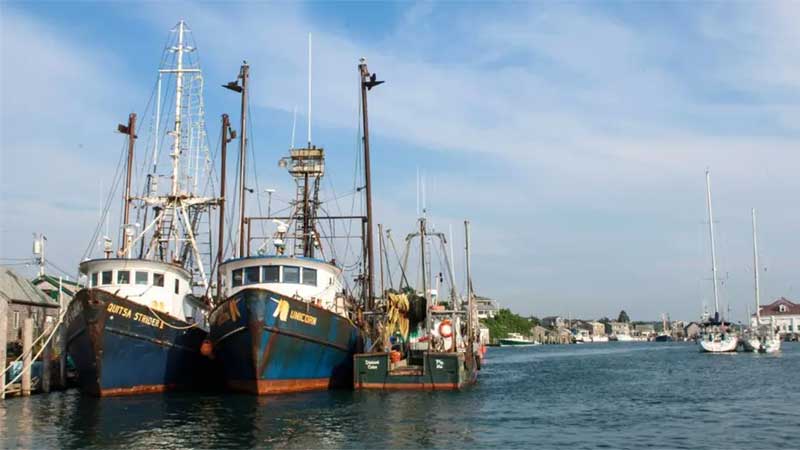
For decades, American fishermen have watched a painful contradiction unfold. The United States controls some of the richest fishing grounds on Earth. Millions of square miles of productive ocean lie under American jurisdiction.
Yet America imports nearly 90 percent of its seafood. Something about that equation never made sense.
Today, President Donald Trump took another step toward changing it. During an Oval Office event and through a series of administrative actions, Trump continued his effort to roll back Democrat restrictions that commercial fishermen argue have devastated coastal economies while doing nothing to improve conservation outcomes.
At the center of the dispute is a nearly 5,000-square-mile area off the New England coast known as the Northeast Canyons and Seamounts Marine National Monument. Created by Obama in 2016, the monument prohibited commercial fishing in large portions of the protected area.
Trump removed those restrictions during his first term. President Biden restored them. Trump has now reopened the area to American commercial fishing once again.
The administration’s argument is straightforward. American fishermen already operate under some of the most heavily regulated fishing systems in the world. Catch limits, seasonal restrictions, vessel monitoring requirements, species management plans, gear restrictions, and federal enforcement mechanisms are extensive.
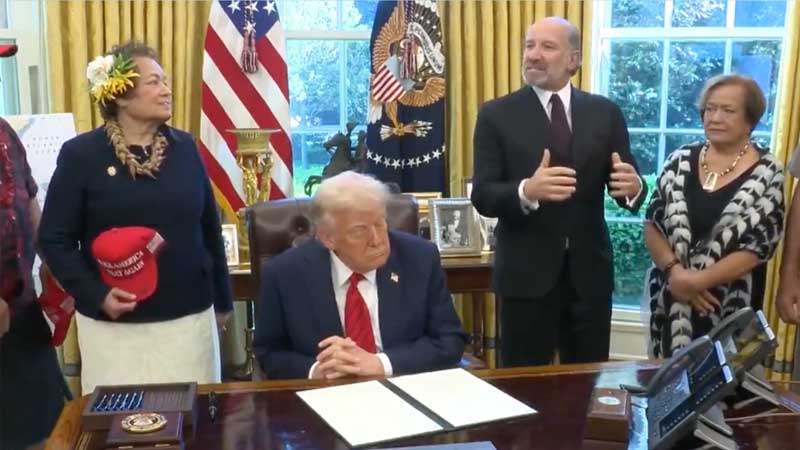
Trump argues that additional blanket prohibitions are unnecessary and unfairly punished working American fishermen whose livelihoods depend on access to waters that have sustained coastal communities for several generations.
The issue extends far beyond one marine monument. The administration has also launched what it calls an “America First Seafood Strategy” designed to reduce regulatory burdens, combat unfair foreign competition, strengthen domestic seafood production, and crack down on illegal foreign fishing operations.
The numbers are astonishing. According to the White House, America now runs a seafood trade deficit exceeding $20 billion annually despite possessing some of the most productive fishing waters on the planet. Nearly nine out of every ten seafood products consumed in the United States are imported, many from American waters.
For many fishermen, that statistic tells the whole story. They argue that while American boats face mounting regulations, foreign fleets operate under dramatically lower labor standards, weaker environmental protections, and less aggressive enforcement. Imported seafood competes directly with domestic catches, driving down prices for American fishermen struggling to remain profitable.
Democrats claim that opening additional waters to commercial fishing risks environmental damage and overfishing. But American fishermen see the issue differently. They believe modern fisheries management already provides extensive protections and that many of the restrictions imposed over the last decade have been driven more by Leftist ideology than science.
America’s fishing communities have been shrinking, while foreign fleets have moved into out protected waters and overfished them, selling the products to American retailers.
From Maine lobster docks to Gulf Coast shrimp fleets to Pacific fishing ports, generations of family businesses have struggled under rising costs, growing regulations, foreign competition, and changing market conditions.
Trump’s message to those communities is simple: America should harvest its own seafood. American fishermen should not be pushed aside in American waters. And a nation blessed with immense natural resources should not become dependent on foreign suppliers for products it can sustainably produce itself.
To thousands of fishermen who have spent years watching regulators close waters, tighten restrictions, and expand protected zones, the administration’s actions represent something many believed Washington had forgotten long ago: Someone is finally listening.
Leave a Reply