Americans are drowning in fraud headlines.
Billions here. Millions there. Phantom clinics. Fake providers. Shell nonprofits. Front companies. Inflated contracts. Dead-end grant money. Pandemic fraud. Medicaid fraud. Unemployment fraud. Public housing abuse. Daycare scandals. Transit boondoggles. Government programs bleeding money with almost no visible accountability.
And yet one question keeps hanging over all of it: Where are the handcuffs?
For years, taxpayers have been told to trust the system — trust the auditors, trust the investigators, trust the inspectors general, trust the agencies, trust the oversight process. But increasingly, the public is watching enormous fraud, waste, and abuse get exposed while very few high-level actors appear to face swift, visible consequences.
DOGE, under Elon Musk’s cost-cutting and oversight mission, helped fuel national scrutiny around federal waste, duplication, improper payments, and bloated systems. That debate reignited a broader question: how much money is being lost not merely to inefficiency, but to outright fraud and abuse? Hundreds of billions . . . at least.
Then came Minnesota.
The sprawling Feeding Our Future fraud case, one of the largest COVID-era fraud schemes in the country, centered on allegations that defendants stole at least $250 million from a federal child nutrition program through fake meal claims, shell entities, and fabricated paperwork, totaling over $10 billion in all. Dozens of people have been charged by the state, and multiple convictions have followed. But what about the others? What about those filmed by reported Nick Shirley? There were obviously hundreds, or thousands, involved in these schemes. Plus the government oversight people who just looked the other way while tax dollars were being drained. That is a felony. Where is the accountability?
California presents another troubling picture.
Investigators and watchdogs have repeatedly uncovered Medi-Cal/Medicaid fraud, hospice fraud, phantom clinics, and organized billing abuse, particularly in sectors where oversight is fragmented and reimbursement pipelines are massive. In some cases, storefront medical operations or loosely monitored service providers have allegedly acted as vehicles for fraudulent billing while vulnerable patients were caught in the middle. These appear to represent many billions in fraud losses.
Meanwhile, the state’s high-speed rail project, once sold as a transformational infrastructure vision, has become a symbol of ballooning cost overruns, delays, contracting questions, and public frustration. Not every over-budget public project is fraud. But when billions disappear into bureaucratic expansion, consultants, redesigns, and shifting deadlines, taxpayers begin asking whether incompetence and lack of accountability can become almost indistinguishable from systemic abuse. Theft. Much of which eventually finds itself in democrat campaign chests.
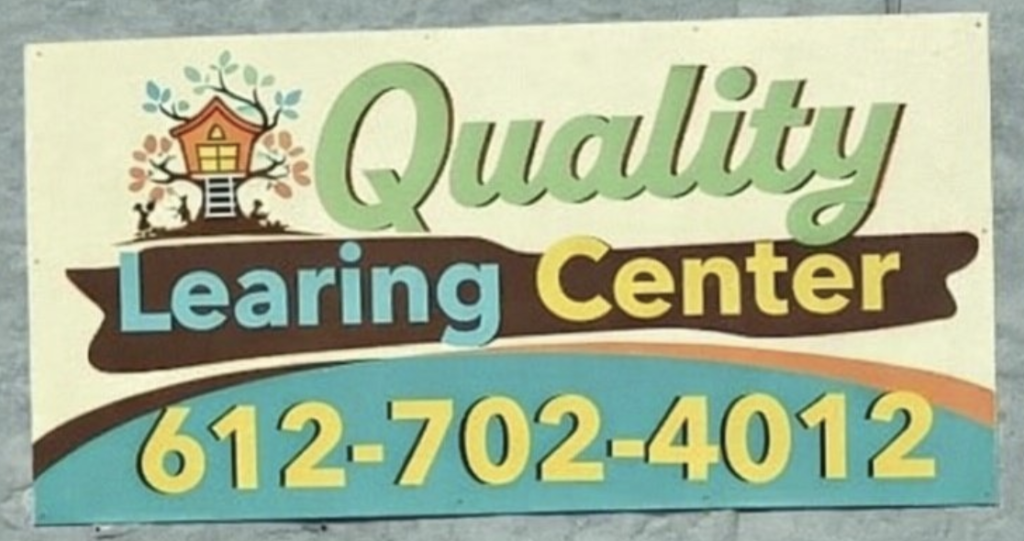
Independent reporting and investigative journalists have also drawn attention to alleged “paper businesses” — daycare facilities, clinics, hospices, nonprofits, and care centers that appeared to function more as billing vehicles than legitimate public-service institutions.
Taken together, they reveal something deeply unsettling: America has become very good at identifying fraud after the fact, and often far less convincing at visibly punishing those responsible.
To be fair, white-collar investigations are slower than street arrests. Fraud cases involve records, subpoenas, forensic accounting, grand juries, plea deals, layered entities, and years of litigation. That is reality.
But public frustration is also reality. When ordinary Americans miss a tax payment, violate a permit, or fall behind on obligations, the system moves swiftly.
When public money vanishes through sprawling networks of democrat shell groups, inflated invoices, fake services, corrupt contracting, or program abuse, accountability often appears slower, quieter, and less visible. A snail’s pace. Where is the justice? That asymmetry is eroding trust.
If America wants citizens to believe the system still works, then accountability cannot remain mostly theoretical. Audits matter. Whistleblowers matter. Investigative journalism matters.
But eventually, prosecutions matter too. We were treated to televised predawn raids on GOP members for contrived ‘crimes’ during the Biden administration. Now that real crimes have been exposed, on a massive scale, where are the raids? The handcuffs? The perp-walks?
When taxpayers repeatedly hear about massive fraud, abuse, and waste, yet rarely see meaningful consequences, they begin asking a simple, dangerous question:
Is government policing corruption… or merely documenting it?
Leave a Reply