
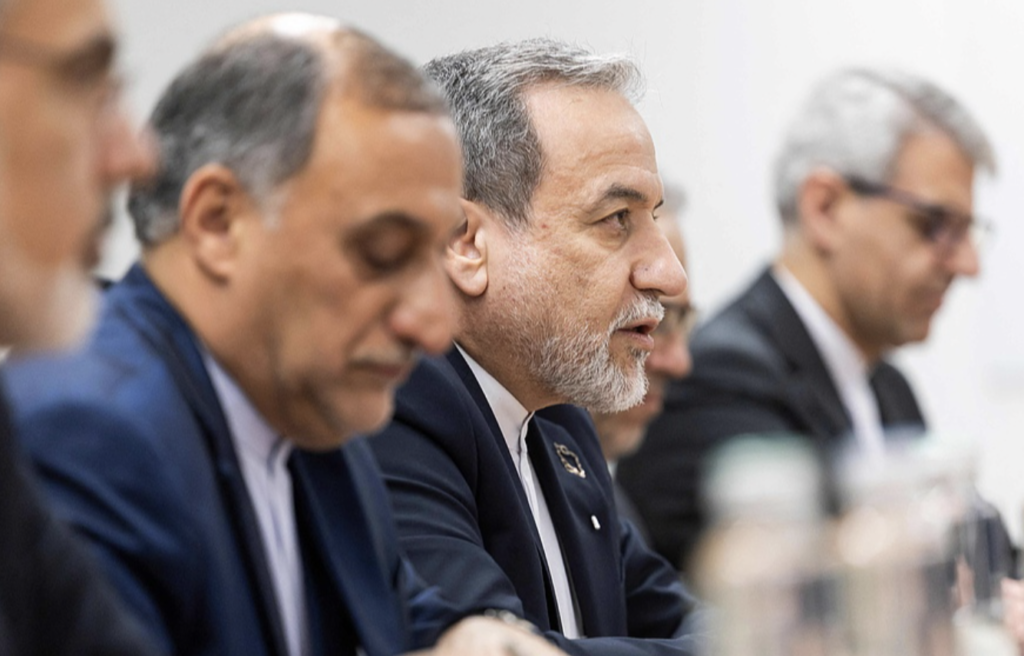
As the conflict between the United States and Iran enters another volatile phase, hopes for a diplomatic breakthrough are fading fast. Negotiating with terrorists is always difficult, and this particular brand of terrorist really cares nothing about the people of Iran. It cares about one thing only: remaining in power, so it can live to fight another day, and drop nuclear bombs on the Great Satan, and the Little Satan, Israel and the United States.
How can the U.S. come to terms with such people? Is there anything that could be accomplished in negotiations to dissuade these terrorists from their course of apocalyptic glory?
Behind the scenes, multiple rounds of negotiations have taken place over the past several weeks, often through intermediaries in countries like Oman and Pakistan. But despite the urgency of the situation, those talks have produced little in the way of meaningful progress.
Instead, what has emerged is a widening gap between two sides that appear increasingly unwilling to compromise. America will never allow Iran to develop nuclear weapons to send to America. It will simply never happen—not under the Trump administration, anyway.
A Deadlock Taking Shape
Recent diplomatic efforts have centered on one fundamental question: what comes first—de-escalation or concessions?
Iran has reportedly pushed for a phased approach, proposing that immediate tensions be reduced—particularly in the Strait of Hormuz—before any serious discussions take place on its nuclear program.
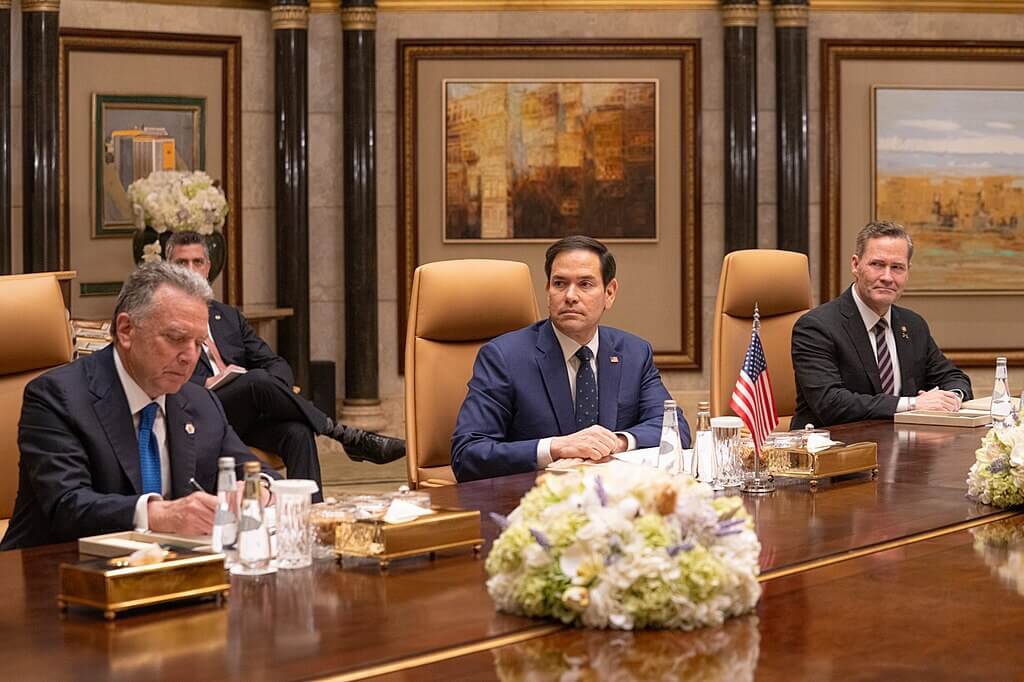
The United States, however, has taken a different position. Officials have made clear that any lasting agreement must address Iran’s nuclear ambitions directly, insisting that Tehran cannot be allowed to retain capabilities that could lead to weapons development.
That fundamental disagreement has left negotiations stuck.
The Strait of Hormuz: Leverage and Pressure
At the center of the standoff is one of the most strategically important waterways in the world: the Strait of Hormuz.
Iran has signaled a willingness to reopen the strait—currently disrupted by conflict and military activity—but only under conditions that would delay or sideline nuclear negotiations.
For Tehran, the strait represents leverage. For Washington, it represents risk.
With global oil supplies heavily dependent on the passage, disruptions have already driven energy prices higher and rattled international markets. That dynamic has turned what might otherwise be a diplomatic issue into a global economic concern.
Talks That Went Nowhere
Earlier negotiations in Islamabad, mediated by regional actors, ended without agreement. Since then, both sides have continued to communicate—indirectly—but neither has shown signs of backing down from core demands.
The U.S. position remains firm: no deal without meaningful limits on Iran’s nuclear program.
Iran’s position is equally clear: no concessions under any circumstances.
That leaves little room for compromise.
A Strategy of Delay—or Endurance?
Analysts increasingly believe Iran may be pursuing a strategy of delay—stretching out negotiations while absorbing economic pressure and waiting for political conditions to shift. Others argue the opposite: that Iran is simply signaling it will endure rather than concede.
Either way, the result is the same.
Time is passing. The situation is not improving.
Pressure Mounting on Both Sides
For the United States, prolonged negotiations without results carry political and strategic risks. A drawn-out conflict impacts energy markets, strains alliances, and raises questions about deterrence.
For Iran, the costs are even more immediate. Sanctions, blockades, and restricted oil exports are placing severe pressure on its economy, with inflation soaring and growth contracting.
Neither side is in a comfortable position. And yet neither appears ready to move.
The Window for Diplomacy
Despite the deadlock, officials on both sides continue to signal that diplomacy is not entirely off the table.
There is still an “open window” for negotiations—at least in theory. But that window may be narrowing. With tensions high, military forces active in the region, and economic pressure intensifying, the margin for error is shrinking.
And in situations like this, stalemates rarely last forever. They either break—or they escalate.
What Comes Next
For now, the situation remains unresolved. No agreement. No clear path forward. No sign that either side is prepared to fundamentally change course. That uncertainty is now the defining feature of the moment. Because while negotiations may still be ongoing, the reality is becoming harder to ignore:
Talks are happening, yes. But they are not working. It’s obvious that it’s time for another round of precision strikes to remove the old guard from power.
Leave a Reply