
For years, supporters of sanctuary policies insisted the debate was about compassion. Critics warned it was about public safety.
Today, the evidence is increasingly difficult to ignore. Many Americans are beginning to question what some commentators have called “deadly compassion” — the tendency of political leaders to elevate compassion above every other civic duty, including public safety. In this worldview, nearly every enforcement action is viewed as cruelty, every detention as oppression, and every deportation as injustice. Yet when dangerous individuals are repeatedly released back into communities despite extensive criminal histories, the burden of that misplaced compassion is borne not by politicians, but by innocent victims. A government’s first responsibility is not to make criminals feel welcome; it is to keep law-abiding citizens safe.
The question is not whether America should be compassionate. The question is whether compassion without accountability eventually stops being compassionate at all.
Across the country, state and local officials have adopted policies restricting cooperation with Immigration and Customs Enforcement, refusing detainer requests, limiting information sharing, or requiring additional legal hurdles before federal authorities can take custody of illegal immigrants already sitting in local jails for crimes they have committed against Americans.
Supporters argue these policies build trust with immigrant communities. Critics ask a simpler question: How many dangerous offenders could have been removed from American communities before they allegedly committed additional crimes?
Virginia has recently become one of the most visible battlegrounds in that debate. The Department of Homeland Security and ICE have repeatedly urged Virginia officials to honor immigration detainers involving illegal immigrants accused of serious crimes, including rape, murder, child molestation and pornography offenses, and sexual assaults. In several cases, federal officials publicly warned that sanctuary-style policies were increasing risks to local communities.
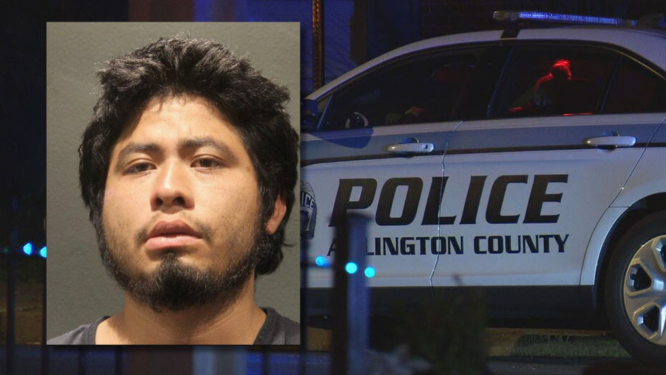
One recent case involved Luzvin Orvando Garcia Moran, a Guatemalan national charged with attempted rape in Arlington. DHS stated that he had accumulated at least 25 prior charges before the latest allegations and urged local authorities to cooperate with ICE.
Another involved Abdul Jalloh, a Sierra Leone national accused of murdering Virginia resident Stephanie Minter. DHS and ICE publicly criticized policies that complicated federal efforts to take custody of him. Officials stated that Jalloh had been arrested dozens of times before the fatal attack.
Other recent Virginia cases have involved suspects accused of murder, child pornography offenses, sexual assaults, and crimes against minors, with ICE repeatedly asserting that local jurisdictions failed to cooperate fully with federal immigration enforcement.
At some point, Americans are entitled to ask whether the purpose of government is to protect ideological commitments—or to protect citizens. Democrats have answered that question by turning hundreds of dangerous criminals loose on their own citizens.
Leave a Reply