For nearly half a century, the Islamic Republic of Iran has been one of the world’s most dangerous sources of instability.
Since the Ayatollahs seized power during the 1979 Iranian Revolution, the regime has financed terrorism, armed proxy militias, threatened its neighbors, chanted “Death to America,” pledged the destruction of Israel, attacked shipping lanes, sponsored regional warfare, and pursued nuclear capabilities that much of the world feared would eventually produce an Iranian atomic bomb.
Presidents came and went. Administrations negotiated. Diplomats issued statements. The United Nations passed resolutions. European leaders pleaded. The Iranian regime laughed at them all, and continued forward in its apocalyptic death cult march.
Now, for the first time in decades, that trajectory appears to have changed.
Multiple international sources, including officials in Pakistan and reports from several major news organizations, indicate that a major peace agreement has been reached between the United States and Iran following months of escalating confrontation and sustained military pressure. While final details are still emerging and formal signing ceremonies remain pending, the broad outlines are becoming clear.
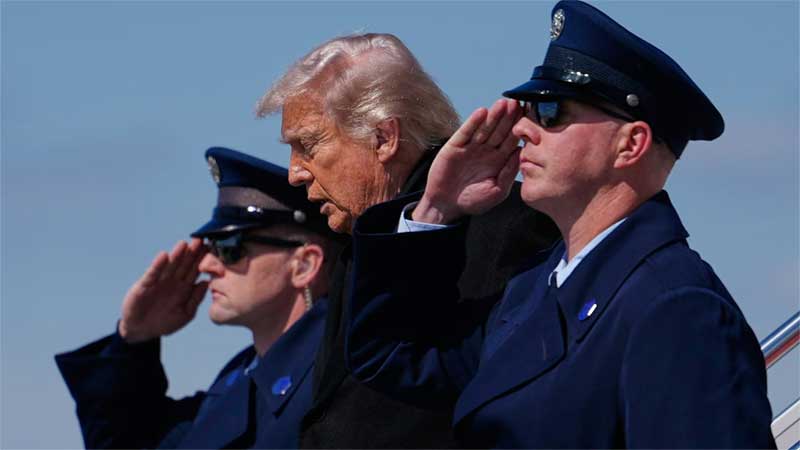
Iran’s leadership has come to the negotiating table after discovering that President Donald Trump was prepared to do what previous administrations would not. He took their nuclear ambitions seriously. And he acted accordingly.
For years, critics warned that Iran’s nuclear program represented more than a scientific endeavor. It was a strategic weapon. A shield behind which the regime could expand its terrorist influence throughout the Middle East while threatening its enemies with unprecedented consequences.
Israeli intelligence repeatedly warned that Tehran was moving steadily toward nuclear weapons capability. American intelligence officials expressed concern. Regional allies sounded alarms. Yet the world largely continued negotiating while Iran continued enriching uranium.
Then came Trump. Unlike many Western leaders who treated Iran’s threats as rhetorical posturing, Trump treated them as declarations of intent.
When intelligence assessments concluded that Iran was nearing critical nuclear thresholds, the administration authorized direct military action against key nuclear facilities. The strikes were devastating.
Facilities that had taken years to construct were damaged or destroyed. Equipment was lost. Research programs were interrupted. Nuclear scientists were killed. Infrastructure was crippled.
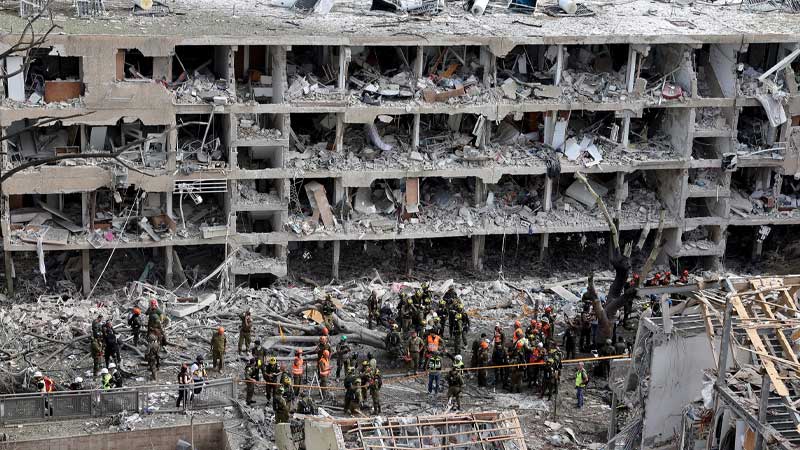
According to administration officials, when Iranian efforts to restore portions of the program were detected, additional strikes followed.
The message was unmistakable: The United States would not permit Iran to cross the nuclear threshold.
For years, foreign-policy experts warned that such actions would trigger regional catastrophe. Instead, something unexpected (to them) happened. Iran blinked. The regime that had spent decades projecting strength suddenly faced a reality it could not ignore.
Its economy was strained. Its military infrastructure was vulnerable. Its nuclear investments were increasingly at risk. Its regional proxies had suffered significant setbacks. And the United States had demonstrated a willingness to act repeatedly rather than merely threaten action.
That combination changed the strategic equation.
History may ultimately record this moment as one of the clearest examples of what Ronald Reagan famously called “peace through strength.”
The principle is simple: Aggressors rarely negotiate seriously when they believe their opponents lack resolve. Negotiations become meaningful only when consequences become unavoidable.
That is precisely what occurred here. The significance extends far beyond Iran. For decades, critics of American strength foolishly argued that military power creates instability.
Yet some of the most dangerous regimes in modern history have altered course only after encountering overwhelming force. The Soviet Union negotiated from weakness. Libya abandoned its nuclear ambitions after witnessing American power.
And now Iran appears to be making concessions that years of diplomatic engagement alone failed to produce. None of this means the danger has disappeared. The Iranian regime remains the same regime, three layers down after Trump and Israel killed their first two tiers of leadership. Its remaining leadership remains in place. Its ideology has not fundamentally changed. Its history of deception gives every reason for caution.
Verification will matter. Inspections will matter. Enforcement will matter. Trust will not be enough.
But even acknowledging those realities, the achievement is significant.
For nearly fifty years, Iran’s nuclear ambitions represented one of the most persistent threats to stability in the Middle East and beyond.
Today, for the first time in a generation, there is reason to believe that threat may be moving toward resolution. Critics will undoubtedly complain that Trump’s methods were too aggressive. They always do. Yet those same critics spent years defending Democrat negotiations that produced little more than temporary delays while Iran continued advancing its nuclear and ballistic capabilities.
The lesson may be uncomfortable for Washington’s foreign-policy establishment. In ways, diplomacy remains essential. But diplomacy works best when backed by strength.
Words matter. Agreements matter. Negotiations matter. But when dealing with regimes that openly announce hostile intentions, and have lied and deceived for several decades, or longer, strength matters more.
The Ayatollahs spent decades betting that America lacked the will to stop them. That bet appears to have failed, in the form of Donald Trump.
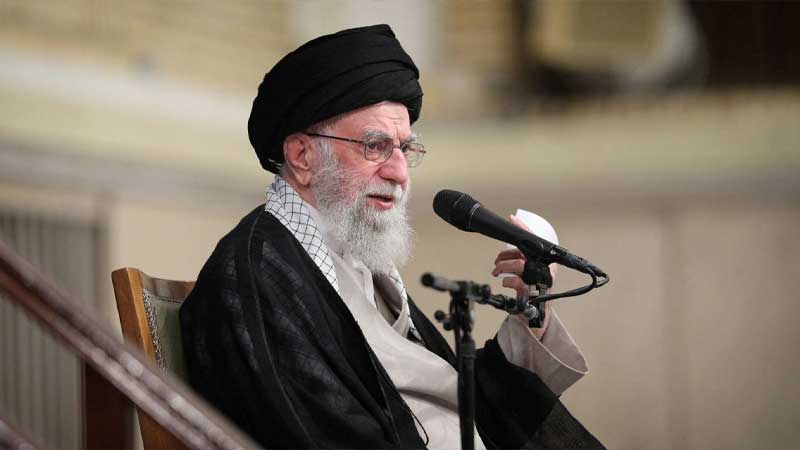
And if the emerging agreement holds, one of the world’s most dangerous nuclear confrontations may have been resolved not through accommodation, but through determination.
For millions of people across the Middle East—and for Americans who have watched this conflict unfold for nearly half a century—that would be a remarkable achievement indeed.
Leave a Reply