
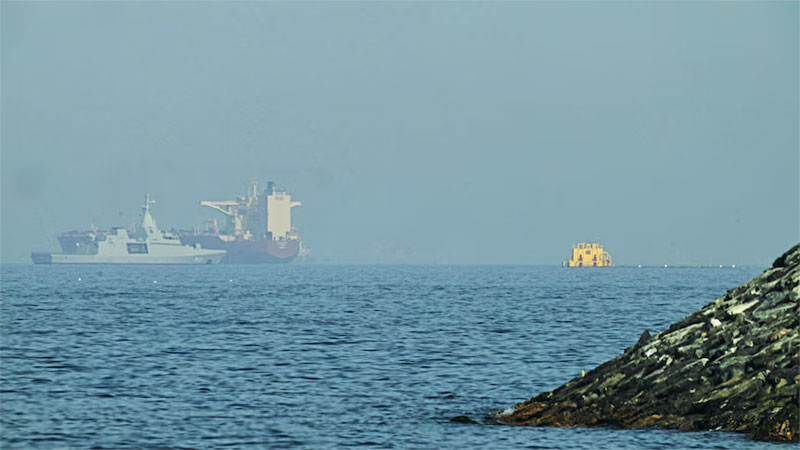
For decades, the United States has treated the Iranian regime as a problem to be managed. The result has been decades of escalation, proxy warfare, regional instability, and recurring crises centered around one of the most strategically important waterways on earth: the Strait of Hormuz.
At some point, Americans are entitled to ask a simple question: Why is an Islamic revolutionary regime that openly calls for confrontation with the West still allowed to project this much power?
From Monarchy to Revolution
Modern Iran was not always governed by the Islamic clerical regime that exists today. Before 1979, Iran was ruled by Shah Mohammad Reza Pahlavi, a pro-Western monarch aligned closely with the United States. That order collapsed during the Iranian Revolution, when Ayatollah Ruhollah Khomeini and his Islamist movement seized power and transformed Iran into an Islamic Republic governed by revolutionary religious doctrine.
The revolution was not merely political. It was ideological.
The new regime defined itself in opposition to:
- Western influence
- Secular government
- American power in the Middle East
- The existence of Israel and its regional allies
That worldview still defines the regime today.
The Structure of Power in Iran
Iran presents itself as a republic, with elections and civilian institutions. But ultimate authority does not rest with elected officials. Real power lies with:
- The Supreme Leader
- The Islamic Revolutionary Guard Corps (IRGC)
- Senior clerical and security networks loyal to the revolutionary system
The IRGC in particular has become one of the most powerful organizations in the region:
- Military force
- Intelligence apparatus
- Economic empire
- Foreign operations network
Its influence extends through proxy groups and allied militias across the Middle East.
Why Negotiations Are So Difficult
American administrations from both parties have repeatedly attempted diplomacy with Tehran. But negotiations with Iran are uniquely difficult for one central reason:
The regime views confrontation with the United States as part of its ideological identity.
This is not merely a dispute over sanctions, territory, or trade. For many within the regime’s core leadership structure, opposition to American influence is foundational to the revolution itself.
That reality complicates every negotiation. Even when agreements are reached, there remains deep skepticism in Washington and among U.S. allies about whether Tehran ultimately seeks coexistence—or simply strategic advantage. President trump believes the latter. He has publicly voiced his understanding of the regime, that it will never voluntarily lay down its arms, including nuclear arms, and accept peace in any form. It must be forced into such a position.
The Strait of Hormuz: A Pressure Point
The Strait of Hormuz remains one of Iran’s last, and most powerful leverage points.
A significant percentage of global energy shipments pass through the narrow waterway. Even limited disruption can:
- Spike oil prices
- Rattle financial markets
- Threaten global supply chains
Iran understands this.
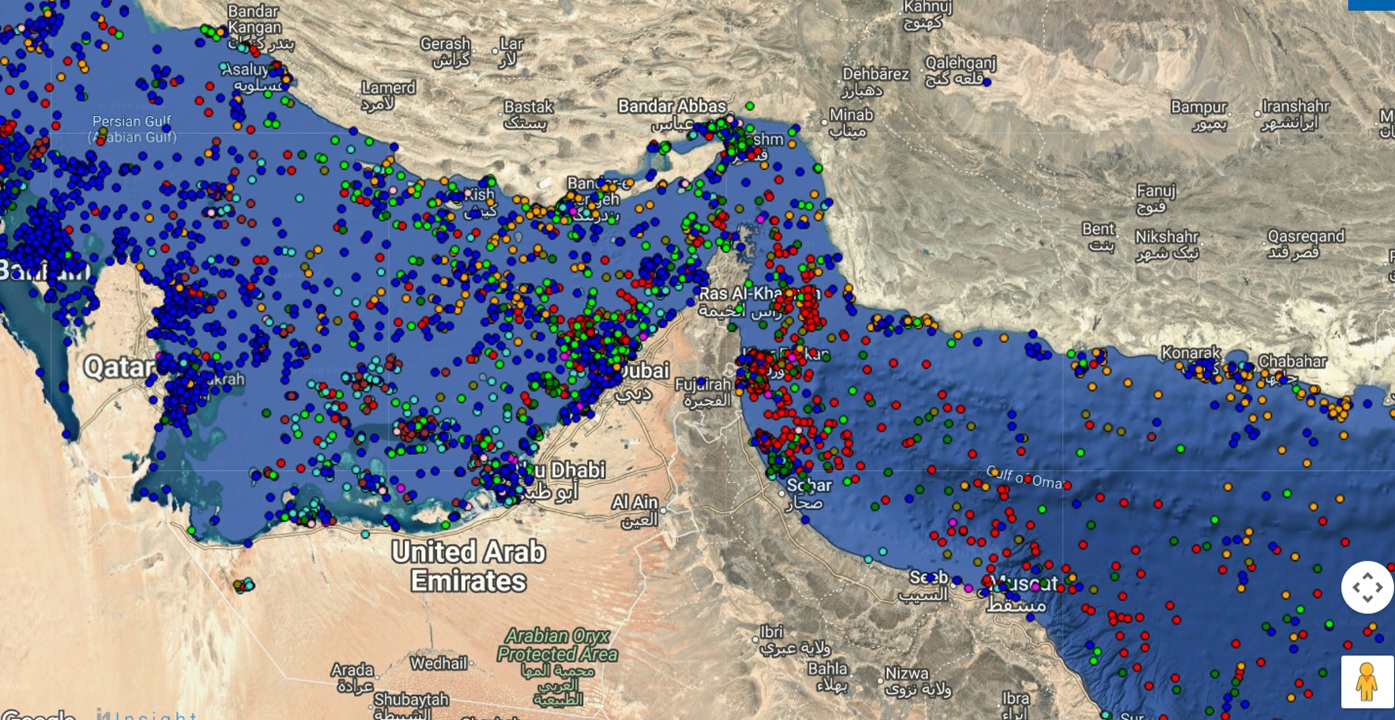
And it has repeatedly used the threat of disruption as a geopolitical tool.
From Washington’s perspective, that creates a persistent dilemma:
- Respond too aggressively and risk broader regional war and damage to Iran’s civilian population
- Respond too weakly and invite continued escalation
A Regime Under Pressure
Years of sanctions, internal unrest, economic strain, and regional conflict have placed enormous pressure on the Iranian system. At the same time, recent leadership losses and internal fragmentation have fueled speculation about divisions within the regime itself. Trump’s Department of War has eliminated the two top tiers of leadership in the regime, and it is difficult to locate survivors to engage in negotiations.
Some analysts argue that the current (third) leadership tier is more rigid and ideological than pragmatic. Others believe there are factions within the broader system that would prefer reduced confrontation and economic normalization.
The challenge for American policymakers is determining whether meaningful moderation is possible within the current structure—or whether the regime’s core ideology makes that unlikely.
The Strategic Debate in Washington
This has led to an increasingly sharp debate among foreign-policy analysts and national-security officials.
One side argues:
- Iran responds only to overwhelming pressure
- Deterrence must be restored decisively
- Continued restraint emboldens the regime
The other warns:
- Escalation could ignite a wider regional conflict
- Regime instability carries unpredictable consequences
- Military action may strengthen hardliners rather than weaken them
Underlying both arguments is the same concern: The current situation is unsustainable.
The Bigger Question
For years, the United States has attempted to contain, negotiate with, sanction, pressure, and deter the Iranian regime—often simultaneously. And yet the core conflict remains unresolved.
Iran continues to:
- Support regional proxy networks
- Threaten maritime stability
- Challenge American influence
- Advance strategic capabilities despite international pressure
Which raises the uncomfortable possibility that the problem is not tactical. It is structural.
The Bottom Line
The Iranian regime was born out of revolution and sustained through ideology, security power, and confrontation with the West. That history matters because it shapes every negotiation taking place today.
The debate now facing the United States is no longer whether Iran is a challenge. It is whether decades of limited containment have merely prolonged a deeper conflict that neither side truly believes can be permanently resolved.
And as tensions rise once again in the Strait of Hormuz, that question is becoming harder to avoid. President Trump has signaled that he very much understands this. What is surprising is his patience with a regime that he knows lies as often as they breath, and has no intention of restricting its modus operandi of the past 60 years. Surely, he understands that only death of all leadership will allow cooler heads to take over and finally allow peace to come to the region.
Leave a Reply