
 NOTHING.
First, ask yourself how an American citizen would fare sneaking over the border of France, Spain, Switzerland, Canada or even Mexico. Would you be able to sign up for welfare benefits? Would you be allowed to get a house and just stay there? Could you get work on the side? Would your children be treated for free in their hospitals? Would you ever receive citizenship, or the right to vote–or even a driver’s license? Of course not. That’s not how any other nation in the world handles border-crashers. So what is the impetus for making America an open-borders nation?
One may ask why Democrats are so insistent on continually representing the interests of everyone BUT average working Americans. They are just a little too quick to spend their energy on border-crashers. It is well-known that if they had the power, they would award instant citizenship to everyone within our borders, including those who broke our immigration law to be here.
The children brought into the country unlawfully with those border-crashers are commonly referred to as DACA (Deferred Action for Childhood Arrivals) recipients. DACA was a Democratic Party scheme to keep this class of non-citizen in the country as long as possible (hence, “delayed”), while they worked on convincing the American people that these non-citizens should be allowed to remain, and even gain certain “rights.”
Of course, the main right that interests the Democrats is the right to vote–for Democrats.
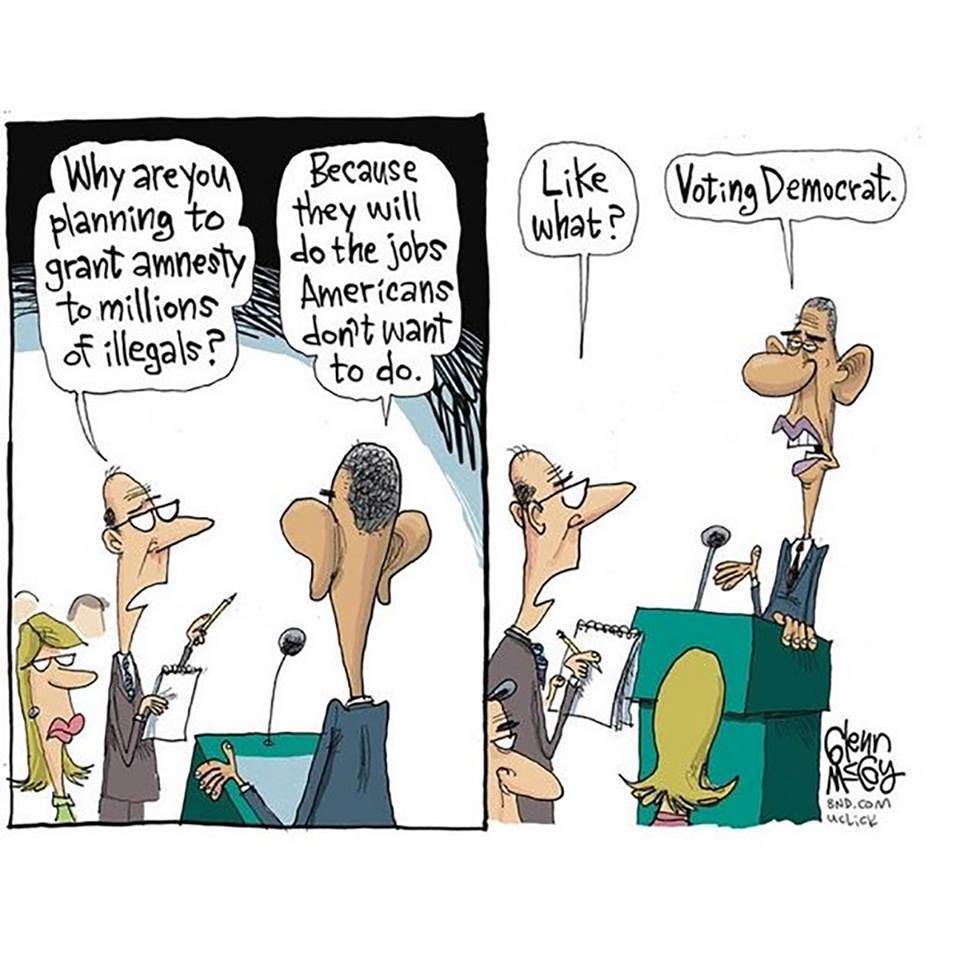 Do illegal aliens tend to support Democrats more than they support Republicans? Of course–overwhelmingly. Why? Because Democrats have spoon fed them government benefits, despite the fact that they are not entitled to such benefits–supplied on the backs of taxpaying American workers. They have cultivated the political support of this non-citizen class, promising every benefit of citizenship in return for a promise of political support when the time arrives. As motor-voter and other types of expanded voter registration schemes rise in popularity, it is obvious that it is only a matter of time until every warm body will get a vote before the Democrats are done. All of those beautiful Democrat votes . . .
So what’s in the deal for American citizens? There is no benefit–only the burden of so many of these people collecting benefits from the American taxpayer. A surprisingly small percentage of illegal aliens receive no benefits. Although a number of DACA recipients are productive people, the vast majority are not.
The follow up question is what’s in a DACA deal for the GOP? Again, the GOP can only suffer by adding millions of Democratic Party voters to the voting rolls. There is no upside. So why is the GOP so anxious to make a DACA deal? They have always had a self-destructive need to be “liked.” That’s the only idea that comes to me. Self-destruction.
PUBLIUS

 The DNC’s fundraising challenges have been well known since shortly after the 2016 elections, when President Trump defeated front-running Democratic nominee Hillary Clinton. The committee has been rocked by turmoil, including the resignation of chairwoman Debbie Wasserman Schultz amid leaked emails some say showed DNC brass “rigged” the primaries so Clinton would defeat Sen. Bernie Sanders.

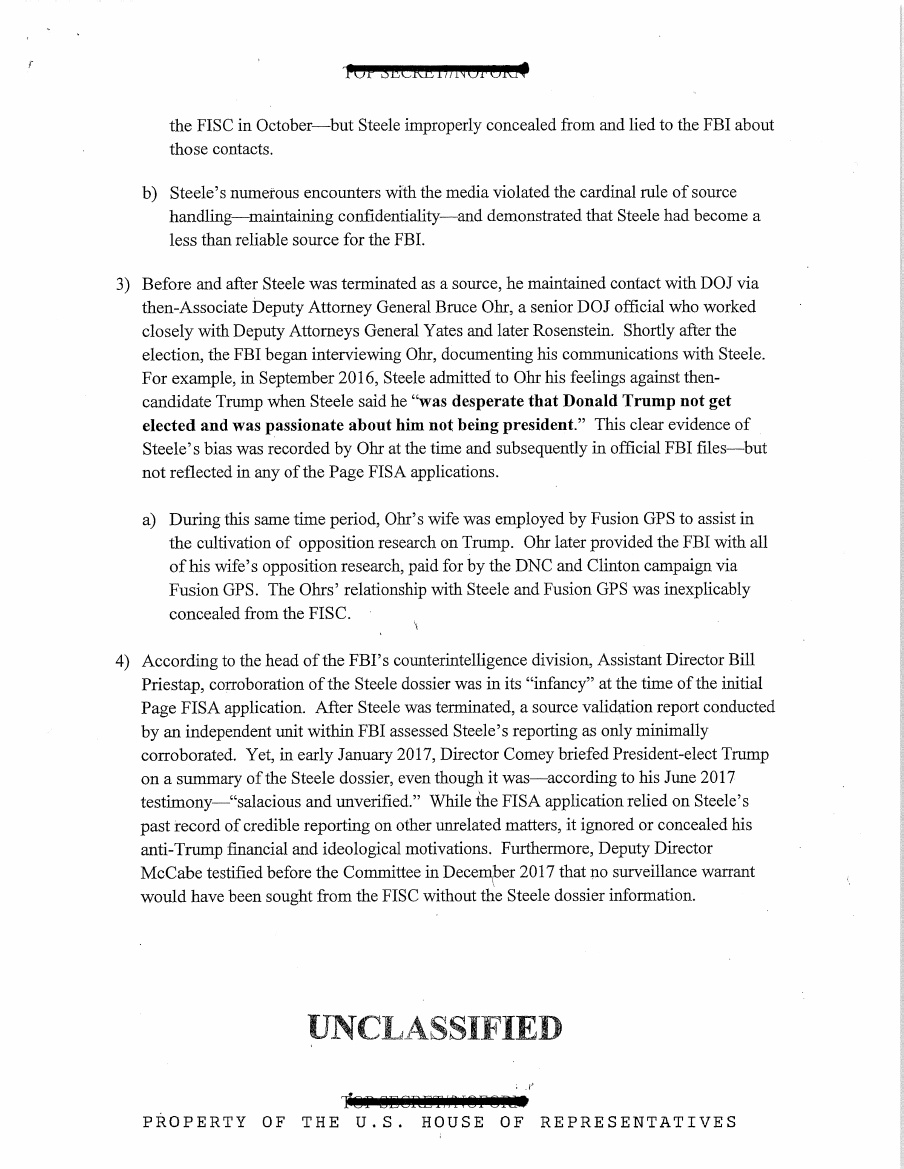
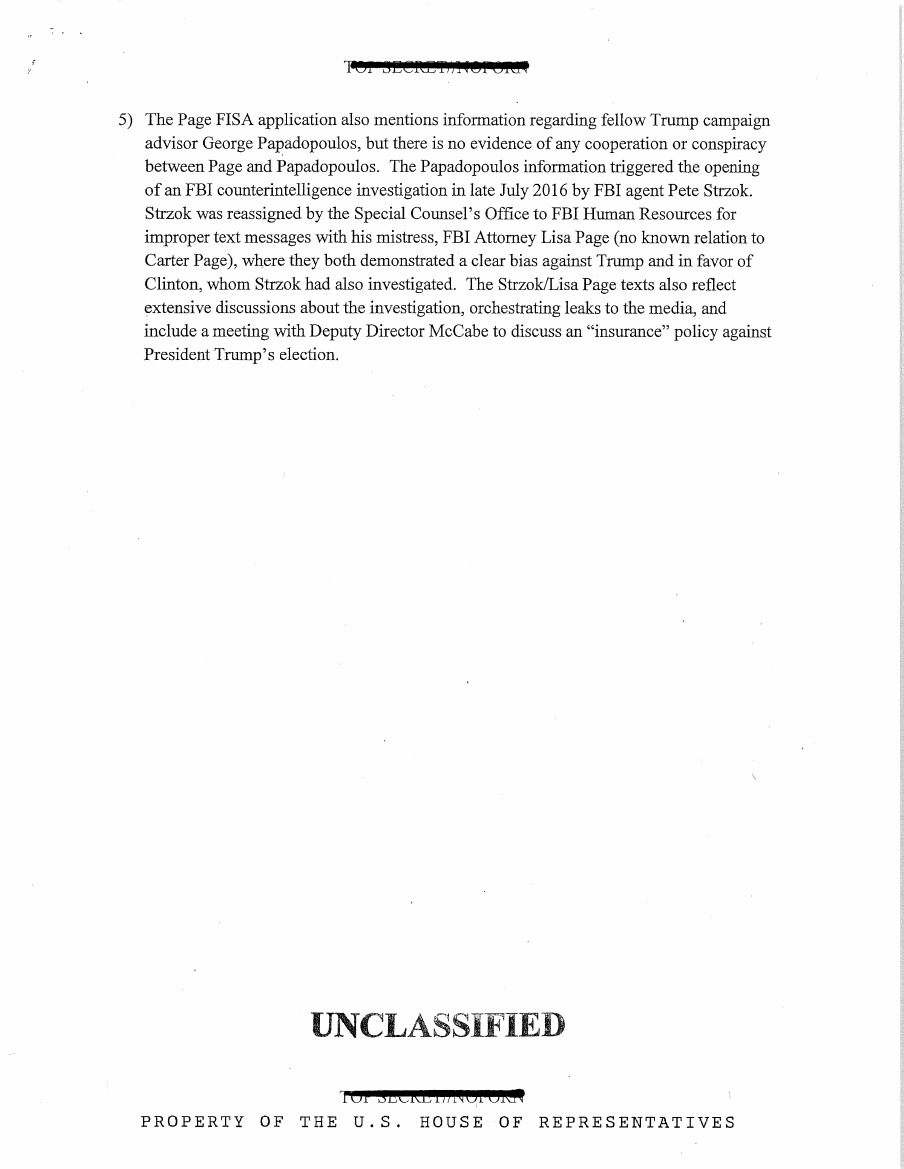
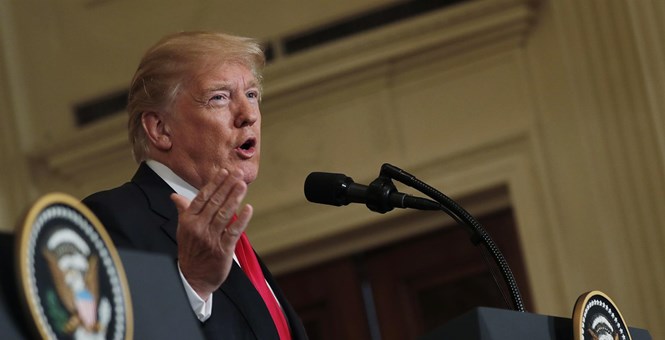
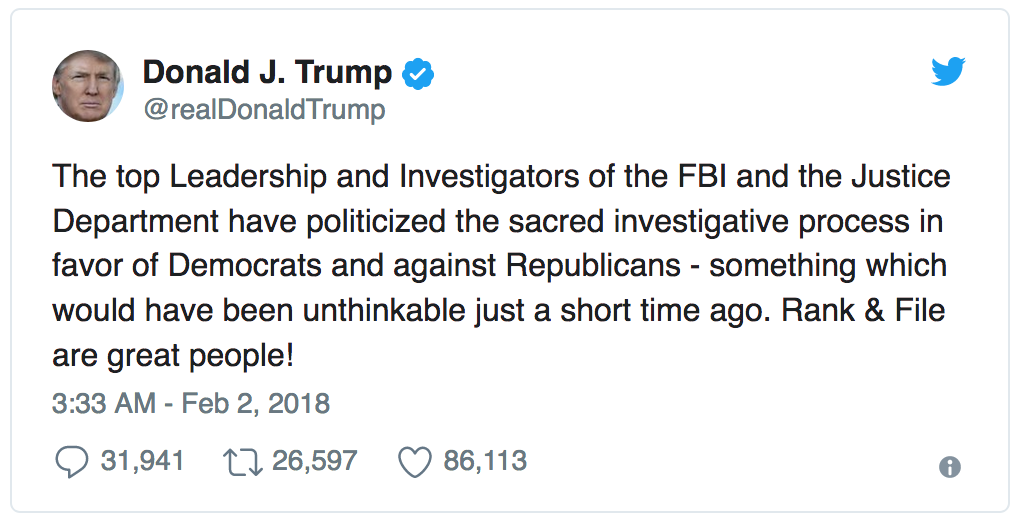
 President Trump said the recently released memo alleging intelligence abuse during the FBI investigation into the 2016 Trump campaign “totally vindicates” him.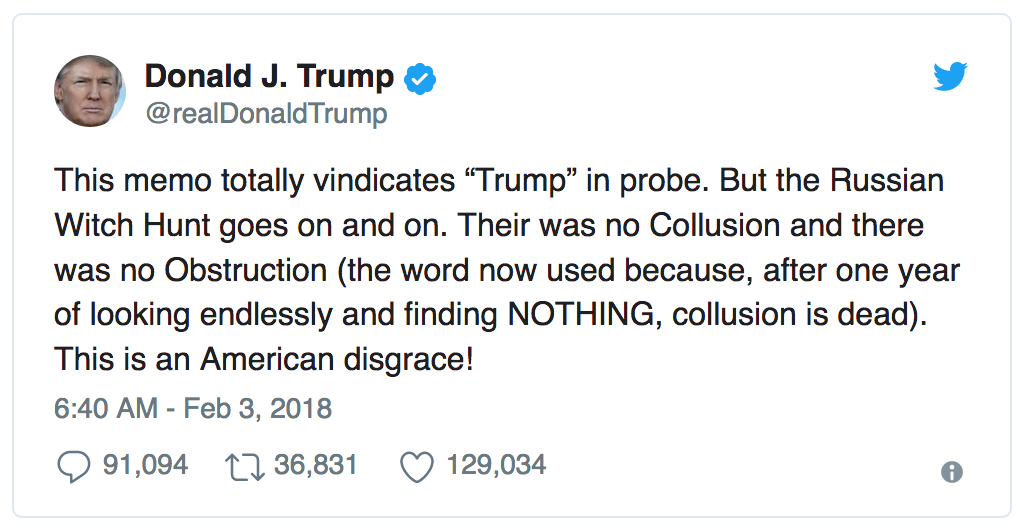

 While a panel of news anchors was discussing President Trump’s attacks of the mainstream media, urging the American public to remain skeptical of the press, Brzezinski proclaimed that Americans may begin to trust Trump over the press.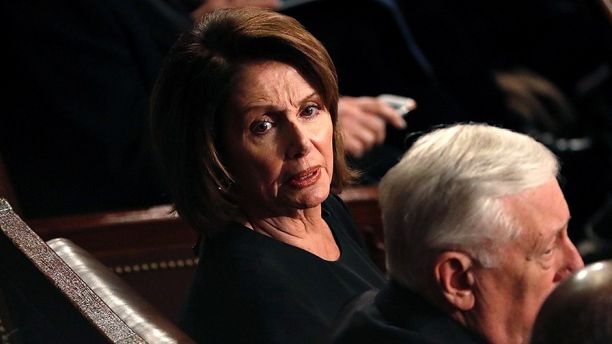
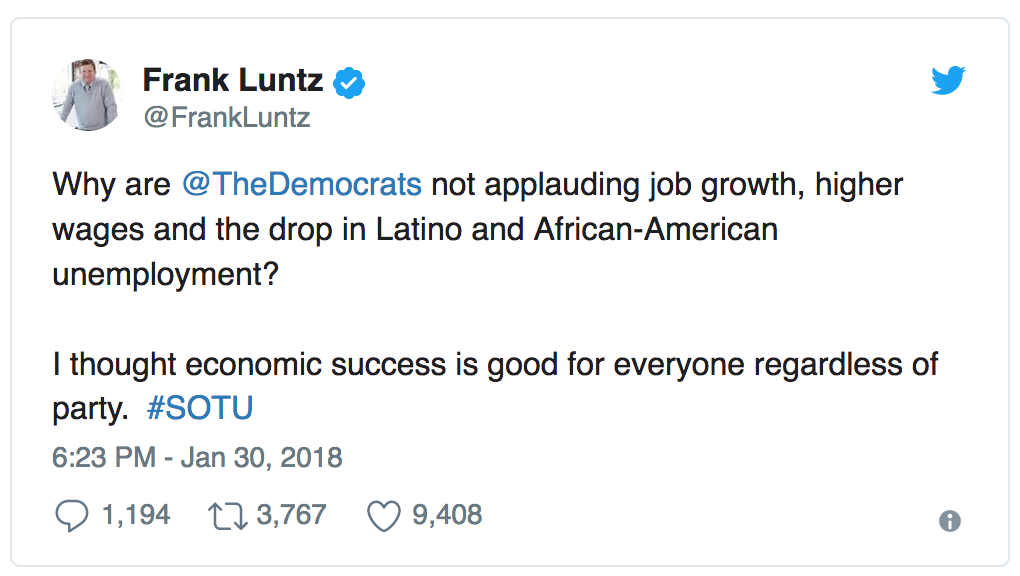
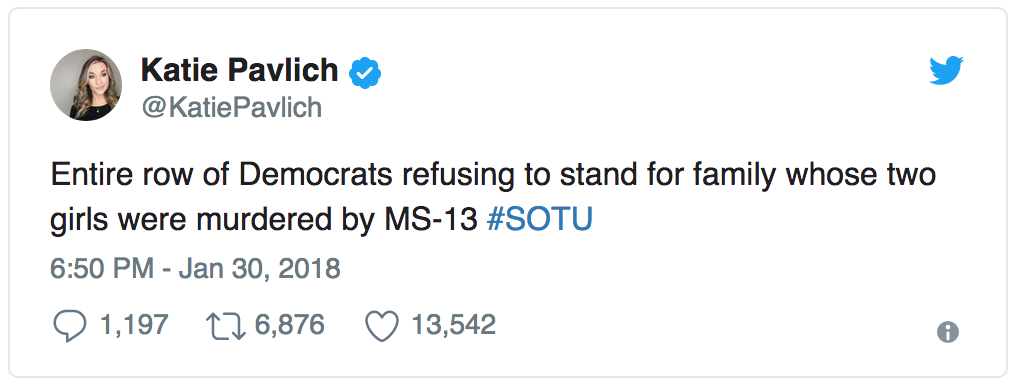


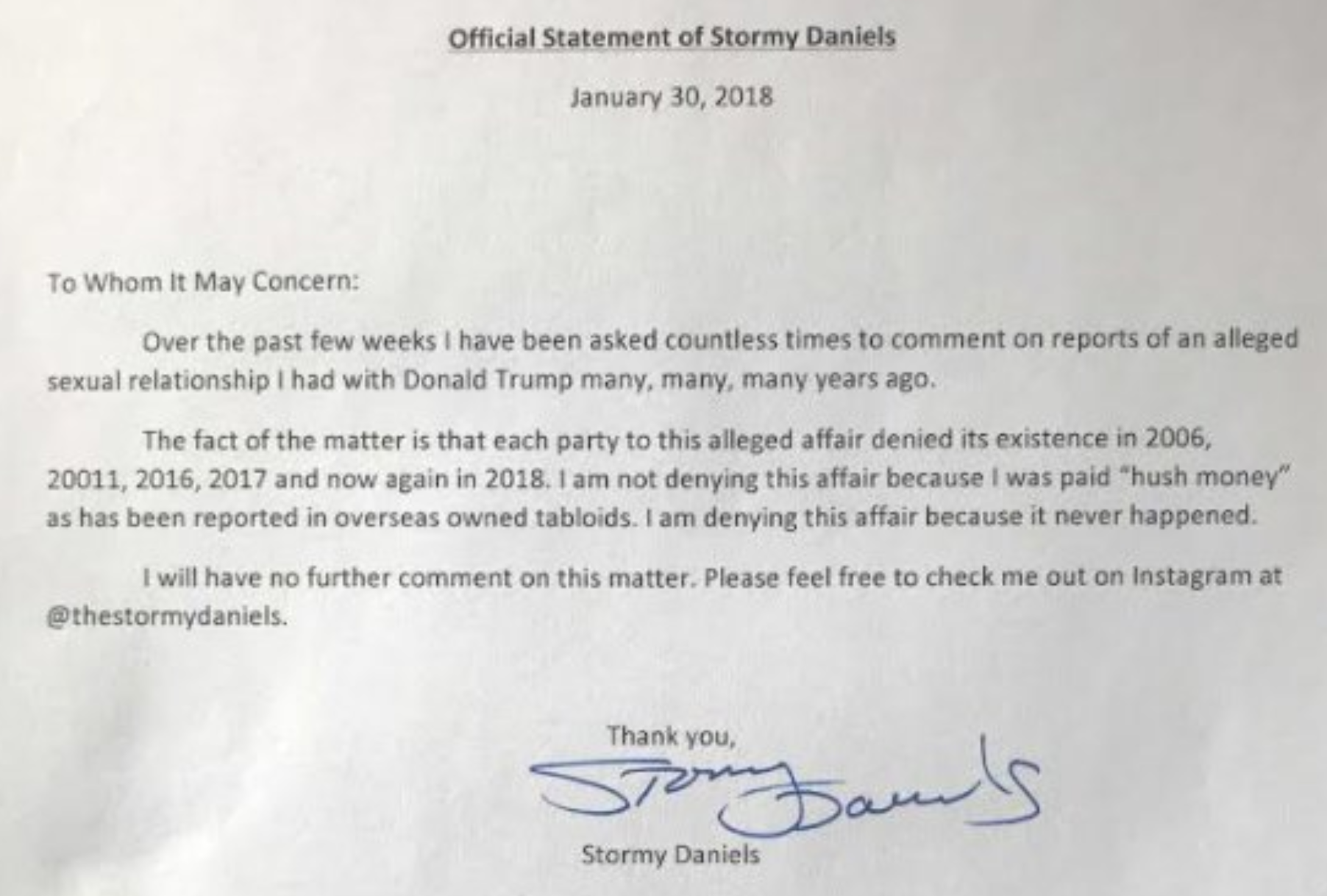

 TEL AVIV — Carter Page, a former foreign policy adviser to President Donald Trump’s 2016 campaign, praised the House Intelligence Committee’s decision on Monday evening to release a classified memo purportedly revealing government surveillance abuses under the Obama administration.
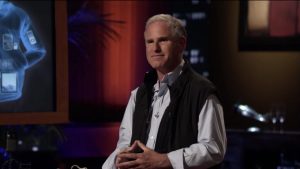 Clothing company founder Scott Jordan of SCOTTeVEST made some widely criticized comments about his customers in a recent Facebook post by calling Fox News viewers, where the company “primarily advertises” its products, “extremely gullible and easier to sell than other networks.”

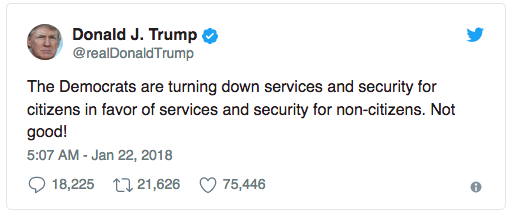
 The Trump White House and Capitol Hill Republicans cranked up the pressure Monday on Democrats to abandon their immediate demands for immigration measures and vote in support of a temporary spending bill to end a government shutdown now in its third day.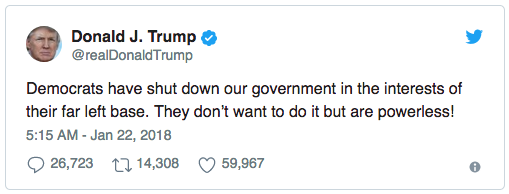


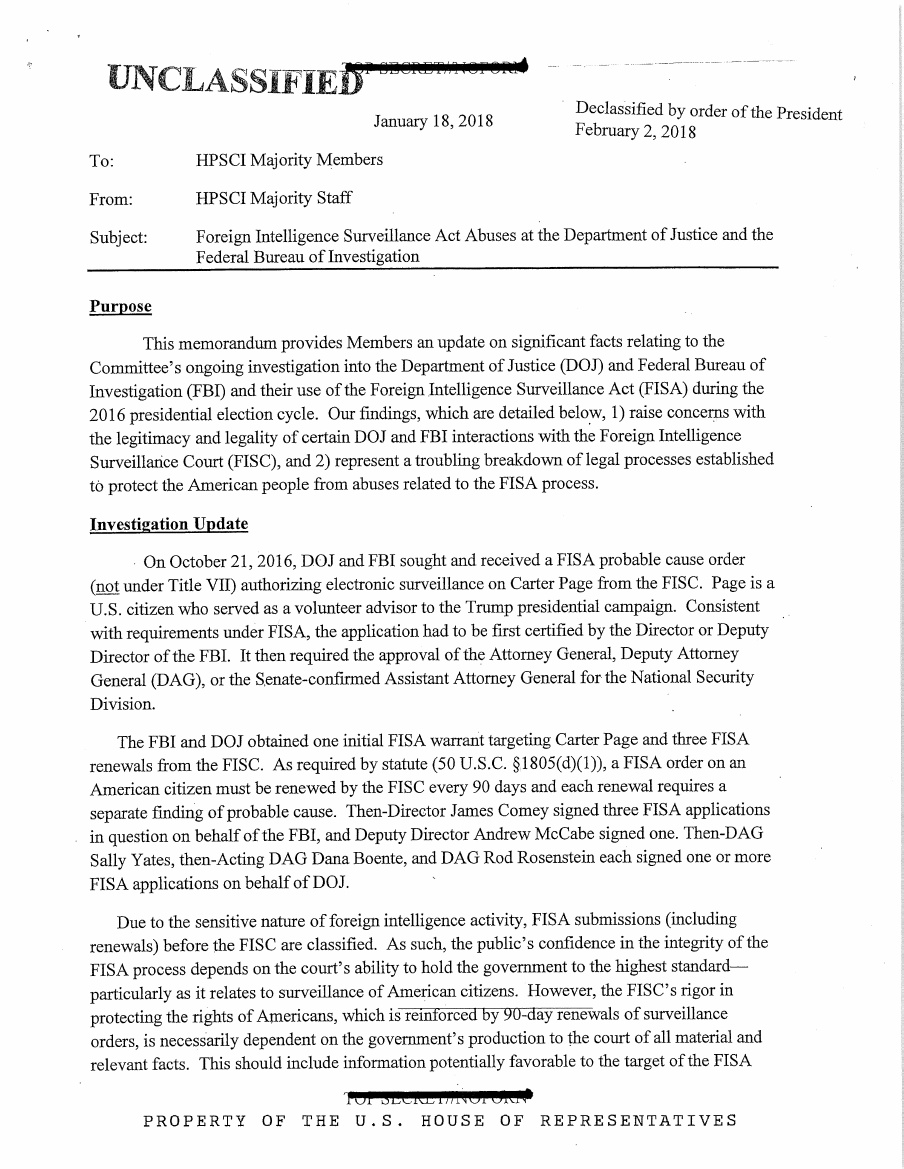
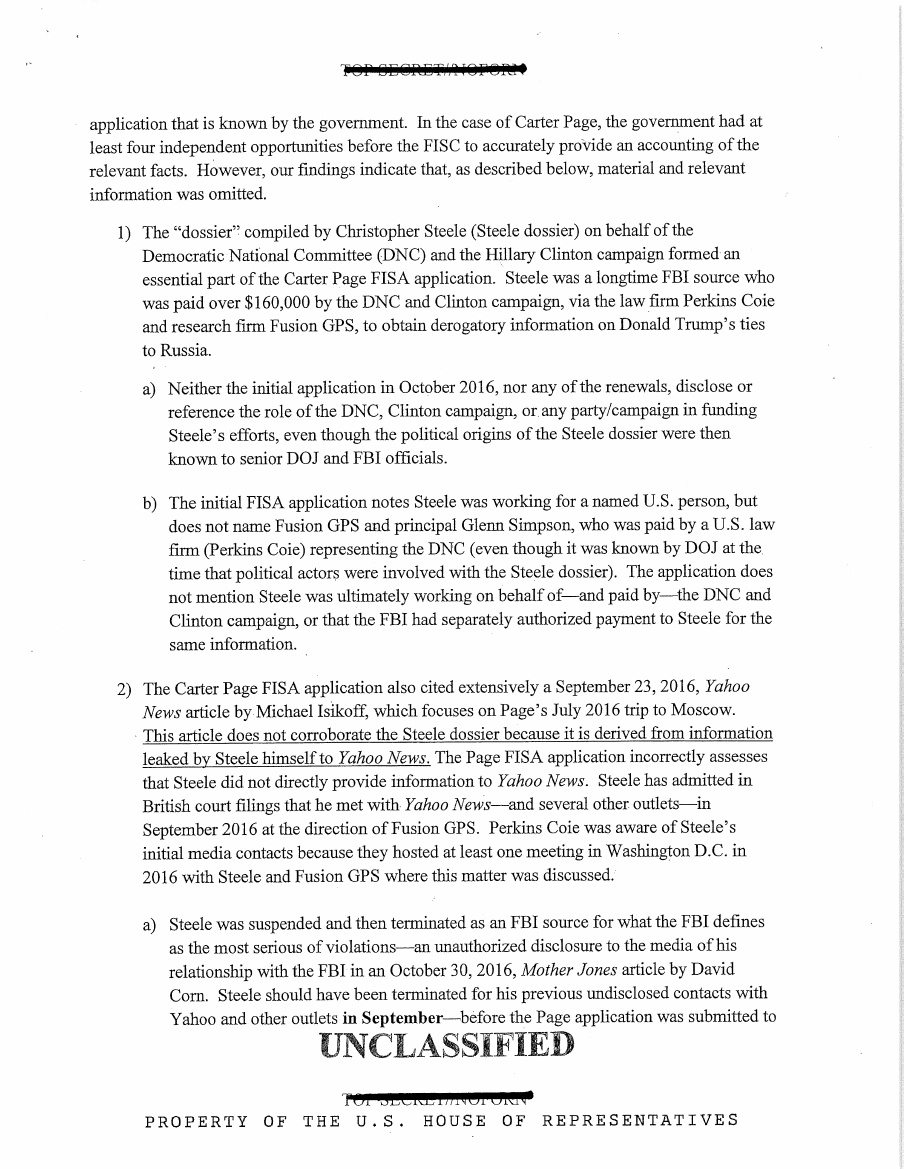
 A four-page memo circulating in Congress that reveals alleged United States government surveillance abuses is being described by lawmakers as “shocking,” “troubling” and “alarming,” with one congressman likening the details to KGB activity in Russia.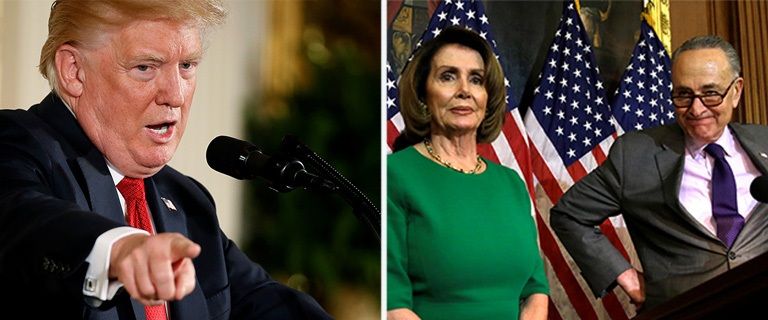

 The indictment was levied against Maryland resident Mark Lambert, a former co-president of a nuclear transportation company involved in Hillary Clinton’s deal to sell U.S. uranium interests to a Russian company. A Department of Justice statement says that the 54-year-old Lambert was charged with “one count of conspiracy to violate the Foreign Corrupt Practices Act (FCPA) and to commit wire fraud, seven counts of violating the FCPA, two counts of wire fraud and one count of international promotion money laundering.”
 Singer Moby claimed his friends in the CIA asked him to spread the word that President Trump has ties to Russia because he has a larger social media following than the government agency.
 Republican Joe Arpaio, a close ally of President Trump and former sheriff known for his provocative approach to combatting illegal immigration, is running for Senate in Arizona.
 A federal judge dismissed all charges against rancher Cliven Bundy, his two sons and another man on Monday.
 One of Hillary Clinton’s wealthy pals paid $500,000 in an unsuccessful effort to fund women willing to accuse President Trump of sexual misconduct before the 2016 election, The New York Times reported Sunday.
Reader Responses