
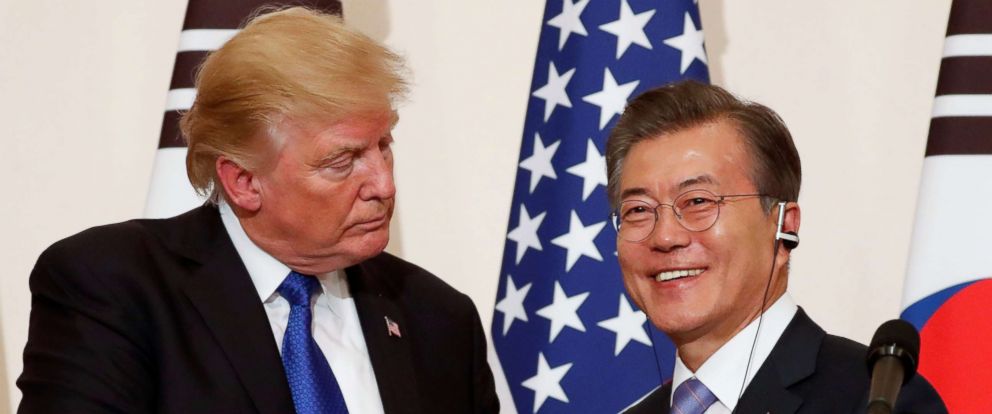
President Trump’s upcoming meeting with North Korean dictator Kim Jong Un – announced Thursday night to a shocked world – is a stunning vindication of the president’s strategy and National Security Adviser H.R. McMaster’s artful behind-the-scenes acumen.
North Korea’s invitation for the meeting and President Trump’s acceptance marked a historic step. If a genuine rapprochement occurs on President Trump’s watch, leading to denuclearization of the Korean Peninsula, the impact on global security and President Trump’s legacy will be enormous.
But at this point, it’s important for President Trump and his foreign policy and defense team to proceed with extreme caution. While they deserve credit for cracking the North Korean silence, the historical record suggests this could be a trap, if not an intentional distraction.
President Trump’s engaged, creative and blunt approach – with artful backroom diplomacy – has turned the dial. If this strategic opening leads somewhere, the Russia investigation of the 2016 election will become a footnote on world-changing achievement. President Trump will instead be remembered for calling out North Korea’s intolerable nuclear and intercontinental ballistic missile threats to global civilization.
But a decision to meet, even a North Korean promise to denuclearize, is not an agreement, implementation, verification or a factually denuclearized Peninsula. And the odds of success remain long.
When the North Koreans need time, they promise talk. Is talk worth having? Sure – as long as everyone understands, talk is not a substitute for action.
On the plus side, President Trump not only triggered this opening, but persuaded China to make sanctions real, which occasions a nod to both the president and China.
On the minus side, the record suggests profound skepticism is warranted about North Korea’s intentions.
 In 1985, pressured hard by Ronald Reagan, North Korea – led by the current leader’s grandfather – signed the Nuclear Nonproliferation treaty (NPT). Everyone was happy. The world celebrated.
That triggered a running of the clock on an 18-month signing of the “safeguards agreement,” implementing the NPT. The North Koreans ignored the clock. Suddenly, they demanded South Korea drop nuclear weapons.
Six years on, President George H.W. Bush withdrew all American nuclear weapons from overseas – including from South Korea – in order to induce the Soviets to do the same. At that time, North Korea finally signed the safeguards agreement.
Reversal was again fast. That year, North Korea was caught and sanctioned for missile proliferation and cheating on the NPT with a rogue plutonium reprocessing plant.
By early 1993, the North Koreans had firmly refused International Atomic Energy Agency (IAEA) inspections. But later that year, they doubled back. They allowed them in theory, if the West would pledge not ever to attack, which of course we did.
But in 1994, North Korea was caught red-handed again, this time producing enough plutonium for “one or two nuclear weapons.” Funny thing, the North had done all this cheating while allowing IAEA inspections to other locations.
When caught by the IAEA with the plutonium reprocessing plant, North Korea summarily quit the NPT. So much for a solid kick between the goalposts, long run, but no cigar.
Like Charlie Brown to the rescue, idealist on call, former President Jimmy Carter flew over to North Korea, and magically announced he had negotiated a “freeze” on North Korea’s nuclear program. The world again celebrated.
For better or worse, North Korea’s President, Kim II Sung died that year, succeeded by his son Kim Jong II, who was later be succeeded by his son, current leader Kim Jong Un.
Kim Jong II toyed with agreements halting nuclear weapons and missile development, but suddenly demanded “compensation” from the U.S. for giving them up. President Clinton gave nothing to North Korea. A smart move.
Soon enough, more cheating produced American sanctions. Without Chinese support, they failed. Over the next 20 years, the North Korean nuclear weapons and missile programs continued their unmitigated, undeterred and largely ignored advance.
Missile launches and underground nuclear tests proliferated, beside useless negotiations. More sanctions came, but U.S. intelligence concluded by 2000 that North Korea was developing missiles that would soon be able to hit American territories in the Pacific.
Promises were ritually made anew, boldly flouted, with new sanctions imposed, and nothing changed. After seven rounds of negotiations, and a steady flow of wishful diplomats and wistful proclamations, nothing led to nothing, as nothing ever does.
When the North Koreans need time, they promise talk. Is talk worth having? Sure – as long as everyone understands, talk is not a substitute for action.
Today things are definitely different. America’s economic and military might are locked, loaded and ready. Current sanctions are real, robust and bound to bite. China is finally helping, and America’s credibility has been boldly restored. But this is not enough, unless North Korea is serious.
Frankly, the stakes are higher than most imagine, a fork in the road, resolution or submission to nuclear blackmail. We are at a Rubicon, a moment of choosing for us, but more so for North Korea’s leadership.
For good to come of this, we must see a mutual intent to end the madness. The question at this moment, with true and new hope in our sails, is this: Does North Korea appreciate the enormity of this moment, which could be existential? Is the regime serious about this negotiation?
President Trump set out to stop the historic merry-go-round. And it looks like, for the moment, he has done it.
The North Korean invitation and President Trump’s acceptance are monumental steps, but the unspoken question remains – toward what?
Can they get to genuine denuclearization and a rollback of North Korea’s decades-old ambition and threat? Or are we about to be disappointed again? If that happens, the risk to North Korea goes sky high, but does the Kim government know that?
As hope is not a strategy, talk cannot be an endgame. What happens next is critical, but is infused with new hope. Suddenly, there exists a previously unknown, world-changing breakthrough.
Such things do happen.
If this produces a lasting peace and a denuclearized North Korea, President Trump will rise in global stature like no president since Ronald Reagan. But history suggests caution. Courage and hard work may produce the good outcome, or may not. We can dare to hope, we should dare, as the president has, but with realism.




 It’s time to employ School Protectors.
 The BGEA put his audience at nearly 215 million people in more than 185 countries and territories, with “hundreds of millions more” viewing him on television, video, film and webcasts.
 America watched in horror as 19-year-old Nikolas Cruz murdered 17 students and faculty at his former Florida high school. Predictably, progressives, liberals and leftists began beating the same old “gun control” drums. They have been floating extravagant claims that this was actually the 18th such murderous attack at schools in just the first 6 weeks in 2018. If only Congress would pass a law, these murderous attacks would stop–that is the leftist mantra.
 Look at the last few generations that liberalism in America have created. Children are raised with no allegiance to country–they are taught by Hollywood, Nightly News, Television Shows, Liberal Politicians, Teachers and Professors (collectively, Leftists) that America is evil, created by slave-owners to exploit minorities. Children are taught by Leftists that there is no God. Children are taught by Leftists that they are victims, and are owed something by society. Children are taught by Leftists that they should not work hard or try to excel–that they will be fully rewarded and compensated for merely show
 NOTHING.
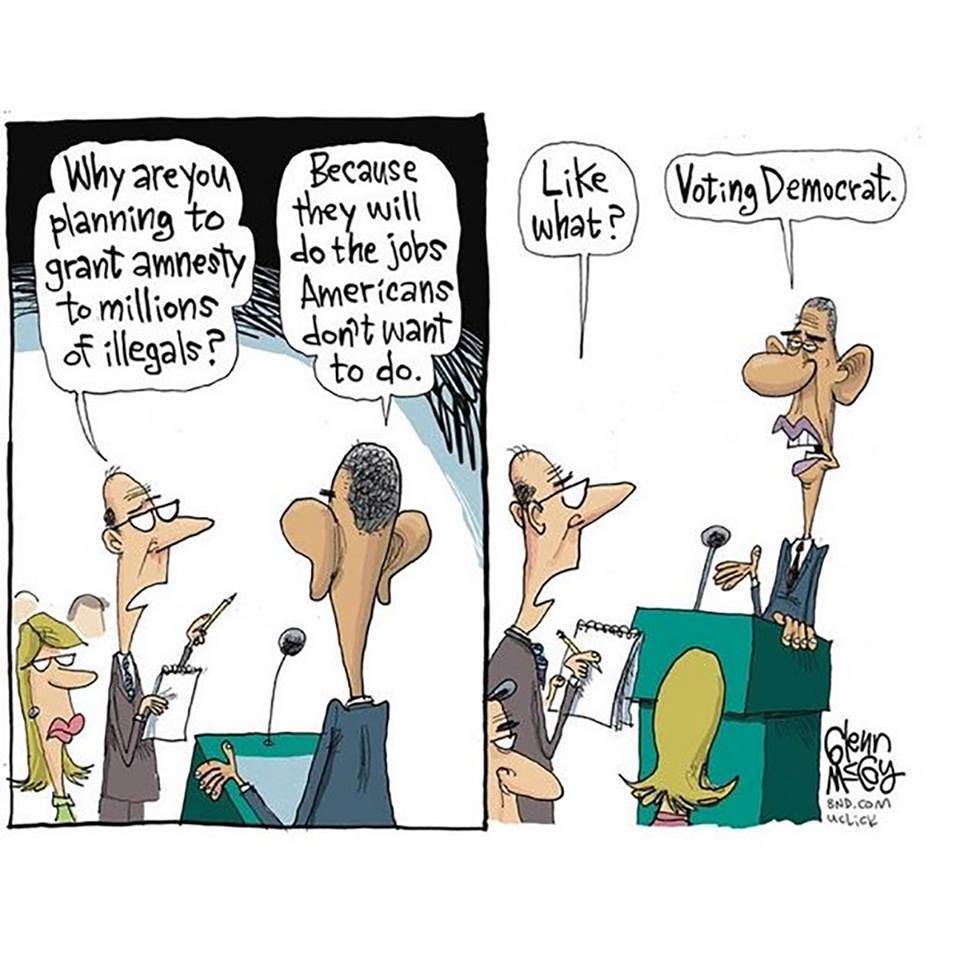 Do illegal aliens tend to support Democrats more than they support Republicans? Of course–overwhelmingly. Why? Because Democrats have spoon fed them government benefits, despite the fact that they are not entitled to such benefits–supplied on the backs of taxpaying American workers. They have cultivated the political support of this non-citizen class, promising every benefit of citizenship in return for a promise of political support when the time arrives. As motor-voter and other types of expanded voter registration schemes rise in popularity, it is obvious that it is only a matter of time until every warm body will get a vote before the Democrats are done. All of those beautiful Democrat votes . . .
 The DNC’s fundraising challenges have been well known since shortly after the 2016 elections, when President Trump defeated front-running Democratic nominee Hillary Clinton. The committee has been rocked by turmoil, including the resignation of chairwoman Debbie Wasserman Schultz amid leaked emails some say showed DNC brass “rigged” the primaries so Clinton would defeat Sen. Bernie Sanders.

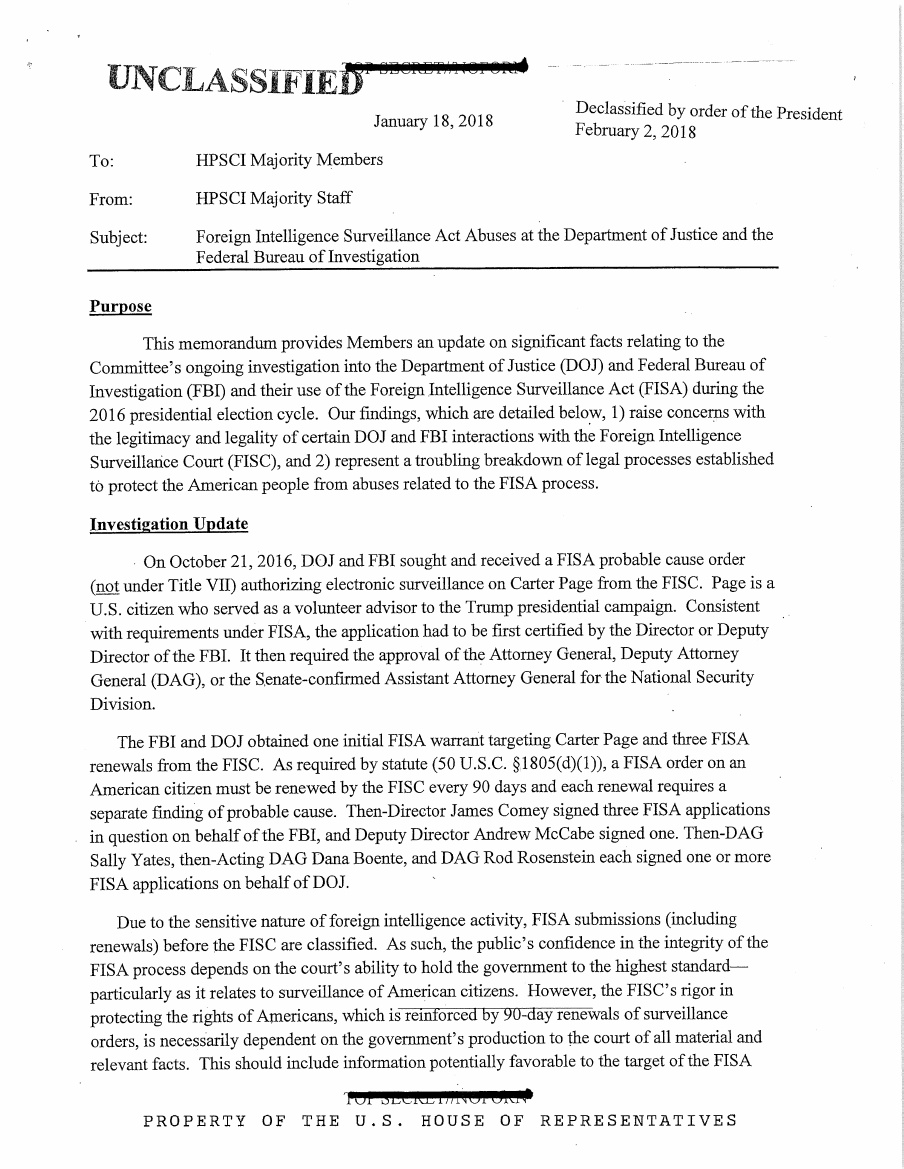
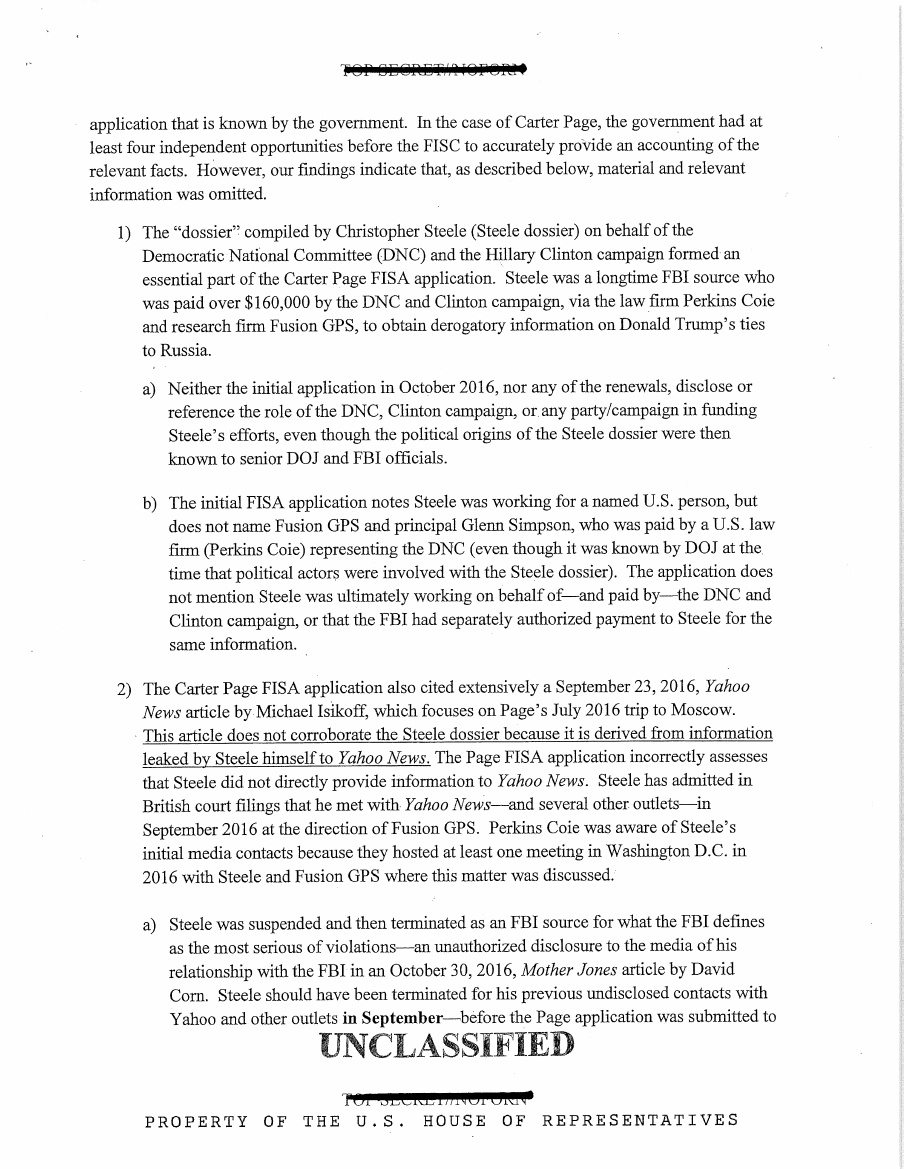
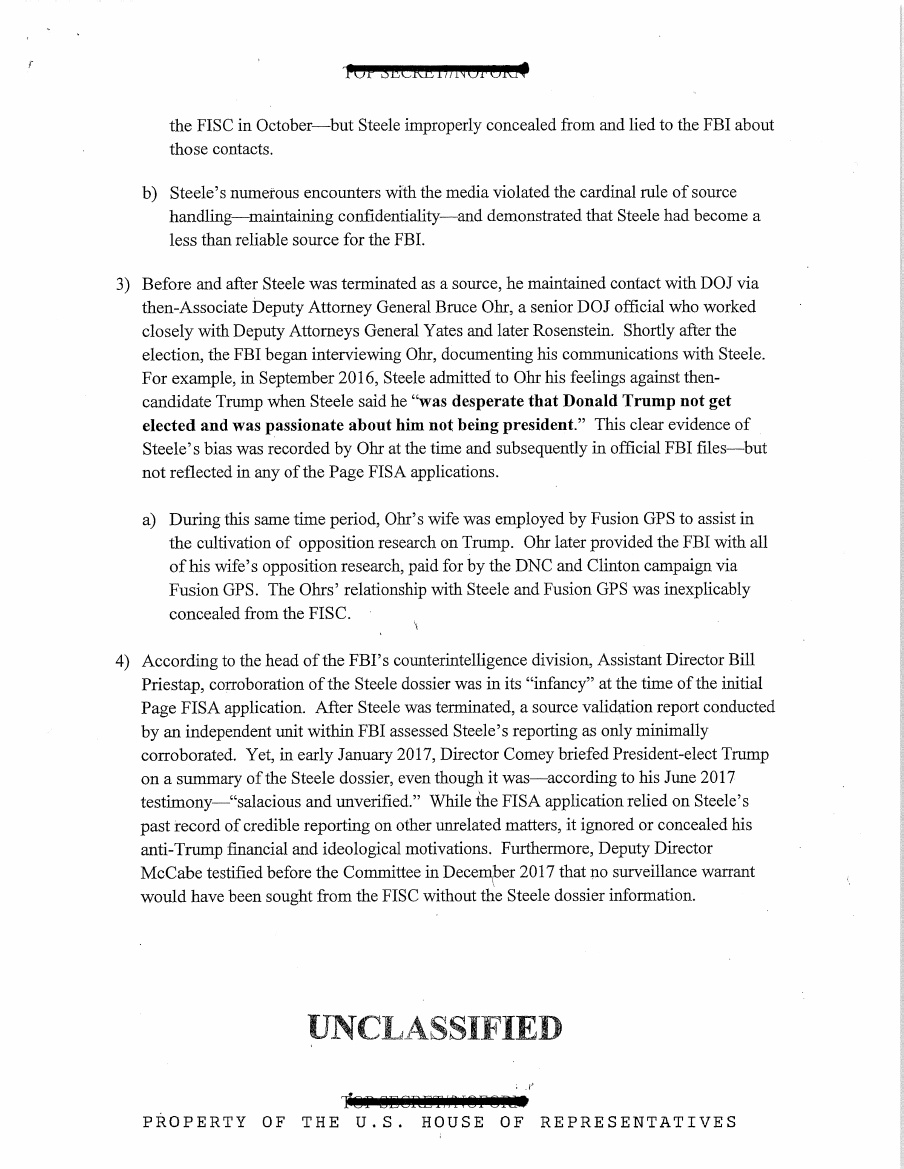
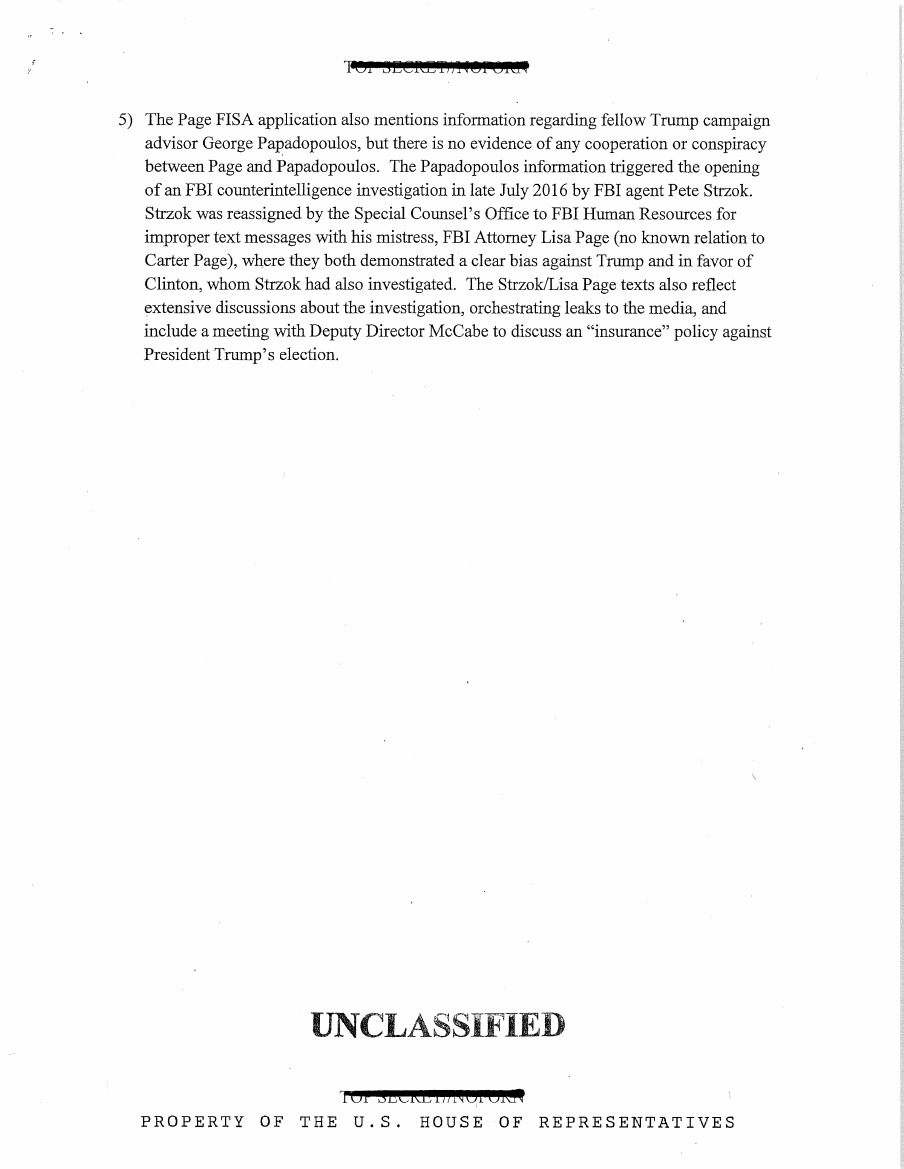
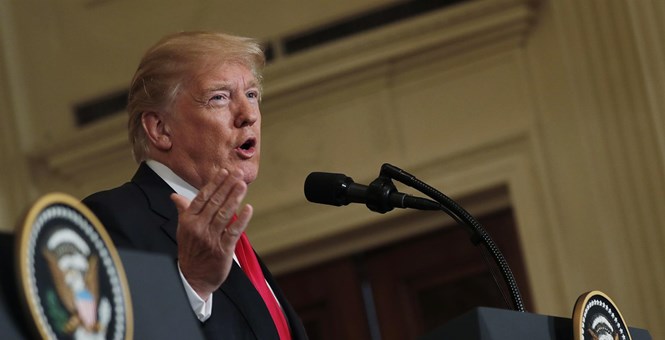
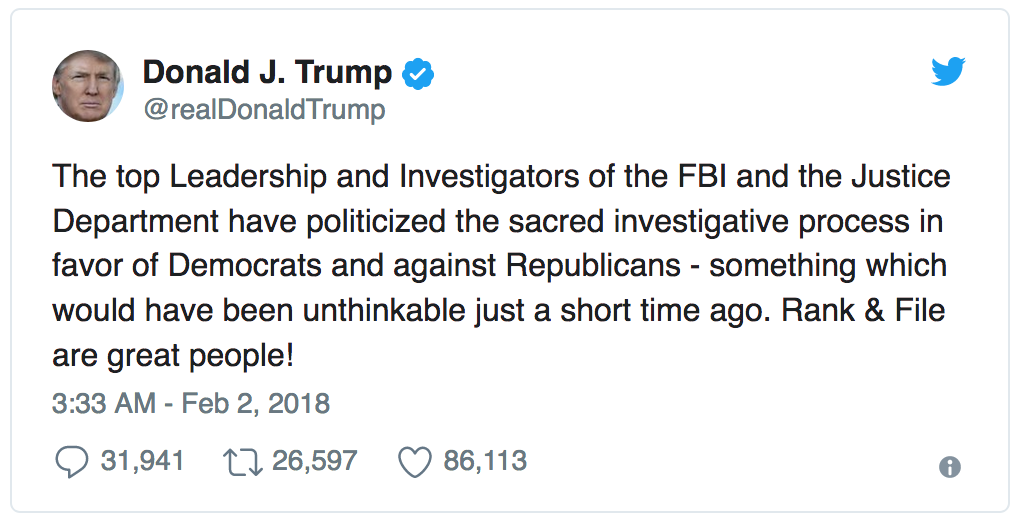
 President Trump said the recently released memo alleging intelligence abuse during the FBI investigation into the 2016 Trump campaign “totally vindicates” him.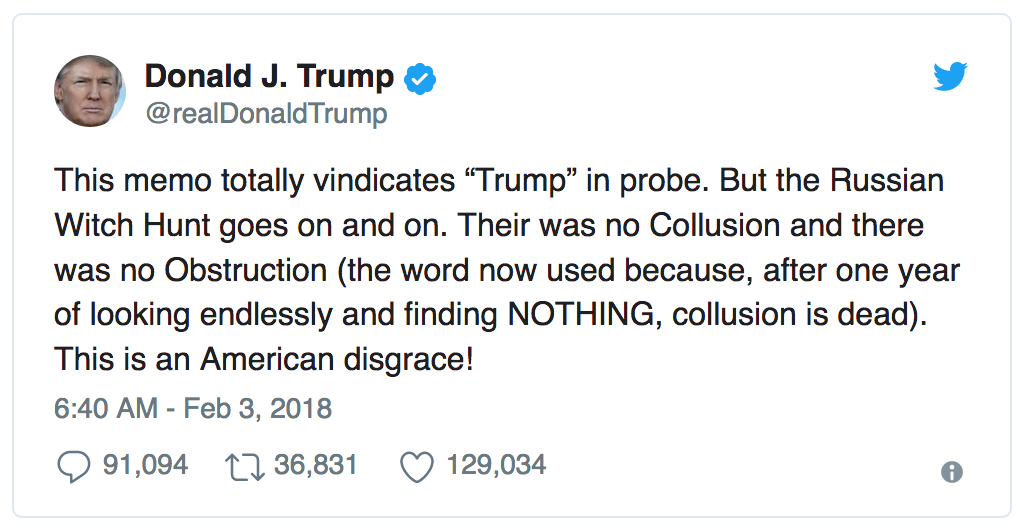

 While a panel of news anchors was discussing President Trump’s attacks of the mainstream media, urging the American public to remain skeptical of the press, Brzezinski proclaimed that Americans may begin to trust Trump over the press.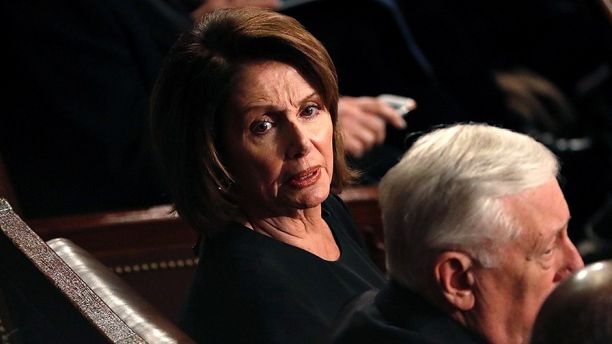


 TEL AVIV — Carter Page, a former foreign policy adviser to President Donald Trump’s 2016 campaign, praised the House Intelligence Committee’s decision on Monday evening to release a classified memo purportedly revealing government surveillance abuses under the Obama administration.
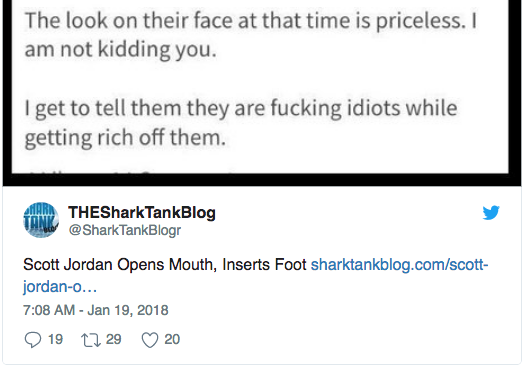
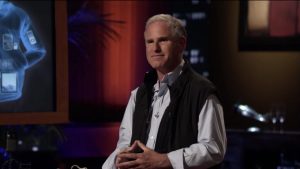 Clothing company founder Scott Jordan of SCOTTeVEST made some widely criticized comments about his customers in a recent Facebook post by calling Fox News viewers, where the company “primarily advertises” its products, “extremely gullible and easier to sell than other networks.”
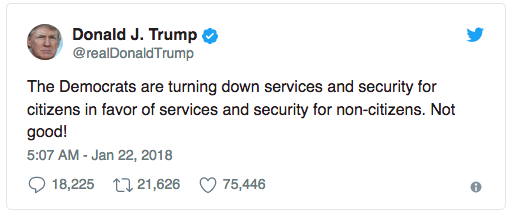
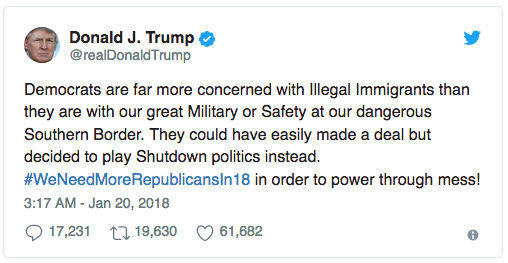
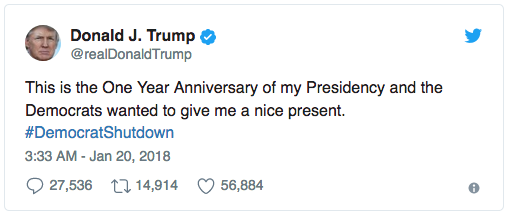
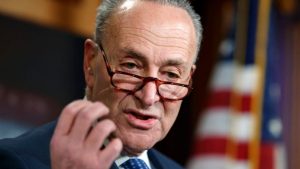 The Trump White House and Capitol Hill Republicans cranked up the pressure Monday on Democrats to abandon their immediate demands for immigration measures and vote in support of a temporary spending bill to end a government shutdown now in its third day.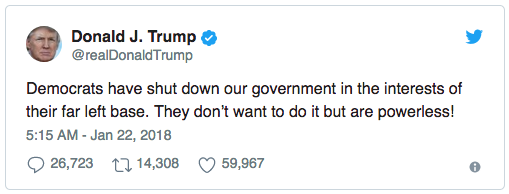


 A four-page memo circulating in Congress that reveals alleged United States government surveillance abuses is being described by lawmakers as “shocking,” “troubling” and “alarming,” with one congressman likening the details to KGB activity in Russia.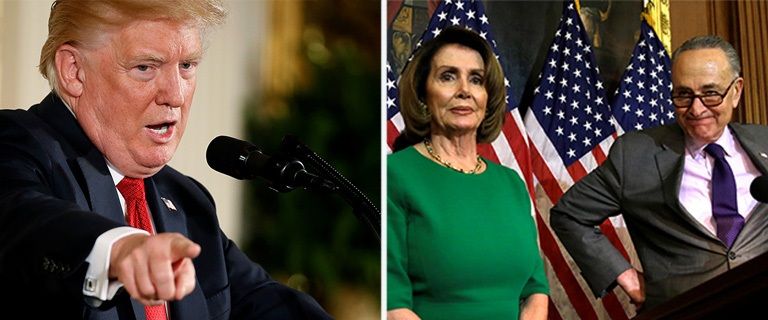

Recent Comments